

The Key To Understanding
Latin Music
From a young age I’ve been captivated by Latin music. While completely unknown to me, my first interaction came in 2003 when I was only 9 years old. I was in the car with my sister when she put on a CD by a new Australian band called The Cat Empire, and before long I was transfixed by the music. Growing up in the suburbs of Sydney, my musical tastes had been dominated by my family, being a mix of 80s and 90s contemporary Christian music, the pop hits of the day, and whatever new music my sister was listening to. Nothing seemed to resonate with me but for the first time something about this particular band did. Of course being so young at the time, I had no clue what I was hearing, I just knew I liked it. Now I’ve come to realize that this was in fact where my love of Latin music started because while The Cat Empire is not really a Latin Band, they borrow heavily from Latin traditions, particularly those found in Cuban music.
Almost a decade later, I was now playing bass and deeply in love with big band music. Again, without realizing it, year after year my ears would be drawn to the Latin inspired charts my school big band would play. When it eventually came time for me to finish high school and look at what I wanted to do next, I had the idea of pursuing music further in the United States. After a quick Google search, I found the Manhattan School of Music program and through my efforts to find out more about the program I stumbled on a video they had uploaded to YouTube. Unbeknownst to me, this particular video was about to change my whole perception of the music I had come to love. I clicked play and was hit with the most amazing big band sound I had ever heard. While I had experienced Latin big band arrangements in the past, this was the first time I had actually heard authentic Afro Cuban big band jazz. Something about the percussion and how it integrated with the horn parts was electrifying. I didn’t know what I was hearing but I knew I wanted to understand what they were playing.
My dream of studying overseas was eventually realized when I was accepted into the jazz studies program at the University of North Texas. Just prior to moving, I was working a job as an airport security officer at the Melbourne airport when I ran into the whole Snarky Puppy band. Knowing that many of them had also attended UNT, I quickly ran up to the nearest member and tried to strike up a conversation. Looking back, I’m sure it would have been quite the situation to see a security guard run up to you in an airport, and one which probably didn’t make them feel all that comfortable. However, the main percussionist at the time Nate Werth gave me a couple of minutes of his time and actually offered to continue the discussion via email. I asked him for advice about attending the college and without hesitation he said that I should try and take as many of the non-western music classes as possible. Although UNT is primarily known for its big band program, it also has a fantastic faculty of musicians from around the world and he explained that while I was there it would be advantageous to explore those opportunities. And I did just that.
Once my university schedule allowed, I took one of the Afro Cuban classes with professor Jose Aponte which introduced me to just how little I knew about music. Names of styles and artists were being thrown out left, right, and center and I tried to keep up. It was quite overwhelming but Jose was extremely encouraging and always made himself available for questions outside of class. It just so happened that while I was learning from Jose, my passion for big band jazz also transformed from playing bass into jazz arranging. Thanks to Jose, I was able to bring charts into the Latin Jazz Lab Band, an ensemble which mirrored the same Manhattan School of Music format I had fallen in love with years earlier. It seemed like a dream come true and now I was able to hear how this music actually came together. I still knew nothing about authentically writing in various Latin styles but I was willing to throw myself into the situation to learn. Unfortunately, like the confident 19 year old I was, I found myself thinking I actually knew what was going on when in fact it was Jose that was making my charts work, not the ink I had actually written. An arrogance which led to one of the most eye opening moments of my musical journey so far.
After graduating, I found myself back in Melbourne running a youth big band program where I invited Jose to be a guest artist for the final project of the 2019 season. My idea with bringing him out was to have a Latin inspired concert featuring him on drums, where he could also help the student percussionists work out parts for the arrangements I had written. Although a wonderful concept, the key issue was that I had convinced myself into believing that there wouldn’t be any issues with my charts. Boy was I wrong. Instead, at the rehearsal Jose called me out in front of all of the students and I then realized just how much I had to learn. But Jose isn’t the type of person to roast someone for no reason and afterward we had a number of lovely discussions about the areas I needed to improve in and how I could go about it. With one of the key phrases being that I was up to scratch with my harmony and voicings but I needed to understand the styles and how they impacted the rhythm and instruments.
The following year the world was hit by a global pandemic, plunging many countries into lockdown with Melbourne being no exception. With the extra time up my sleeve (and perhaps a little too much added stress thanks to the situation) I chose to try and understand Latin music more deeply. I reached out to my colleagues who came from various Latin American countries as well as lined up a lesson with Jose. What became evident was that Latin music was far too broad of an area to try and study and that if I really wanted to understand the music I had to go to where it all began: Cuba. With this in mind, Jose gave me a list of books three pages long with the task to read them all before lining up a second lesson. As I read, I started to put together a timeline of Cuban music history, looking at when styles were introduced and how they influenced the trajectory of Cuban culture. I also expanded my search to other resources to try and answer the ever growing list of questions I was amassing on my journey. Over a number of months and years I finally started to have a grasp of the musical landscape of Cuba and how 500 years of history shaped the Latin music we have today.
But how is this relevant to this particular resource? Well one of the key elements that helped me get started was Jose introducing the idea that Cuban music and the music of other Latin American countries was a byproduct of the three main influences that began each colonization. Depending on the size, geography, and topography of a country, different colonies had varying mixtures of native, African, and European influences. This is why the music of Latin America can both be quite similar as well as polar opposites from one another. So to get things started, in this resource we are going to explore exactly how Cuban music started to come together by looking at the three main influences present. With that foundation, it will make a lot more sense when we explore any of the musical developments that come later and will help establish a starting point for our timeline and the characteristics found in Cuban music. But before we launch into the topic, just a quick reminder that I am in no way a master of this music and by growing up in a non Latin American community I will inherently have biases and misunderstandings. My hope is that this resource as well as the following style explorations will help others like me make sense of a truly amazing form of music.
Where To Start
One of the hardest aspects of learning Latin music is that in the 21st century the music has evolved into a complex mixture of hundreds of styles. Rhythms, textures, and instruments are interwoven in an elaborate tapestry where understanding what differentiates one style from another can sometimes feel impossible. And when you factor in that the word Latin represents the musical cultures of 33 different countries, it all can become a little bit too much to handle. To help make things a little easier a great place to start is to actually think about the word Latin and understand exactly what it means.
Up until now I’ve generally used the term Latin quite freely as that is the name many people associate with this type of music. However, the term itself is actually quite problematic due to how it generalizes dozens of countries and hundreds of years of music into a singular term. Another way of looking at it is to think of all of the music that has come out of the United States since the first colonies were established as simply being described under the term “American.” How would we know whether someone was referring to bluegrass, jazz, or anything else? The funny thing is that this comparison isn’t even accurate because the United States is just one country while Latin America is 33. Ever since the music of Latin America started to be integrated with Western cultures, it has always been represented by overly generalized names, whether that be rhumba, salsa, or Latin. The only reason we use the word Latin today is because in the mid 20th century this type of music was being played by Latin American musicians and the word was used simply to describe the ethnicity of the players. So for that reason from now on I will be considerably more specific with the terms being used. With that out of the way, lets shift focus onto how to actually start understanding this music.
As you just read, at the beginning of my journey the advice I received from many different knowledgeable people was to look into Cuban music. Why? Because Cuba was actually the entry port for all of the European ships into the Americas for centuries. It was a place where cultural exchanges took place on a daily basis which then got transplanted across the New World. Cuba was also the place where many of the most famous Latin styles originated such as Son, Mambo, and Cha Cha Cha as well as the birthplace of the three most prominent Latin percussion instruments the congas, bongo, and timbales. Unfortunately, if you’re like me and have to rely on books and digital resources to learn about Cuban music, what you’ll find is a limited selection with no one text covering everything you might need to know. Unlike other Latin American countries such as Brazil, the music of Cuba has been horrendously underrepresented in academia and when taught, often is filled with contradictory information that just makes everything more confusing. Of course as time has progressed the situation has improved but it is sad to see how little Cuban music is taken seriously when it has had such a major impact on the global music scene for centuries.
Due to the complexity of modern Cuban music, I found that working backwards from modern examples was far more complicated than starting at the beginning of Cuba as a country. Although it may seem counterintuitive, Latin music today has so many different layers which draw from centuries of different styles, and to understand them all immediately is quite the overwhelming task. However, when you start 500 years ago it is a little more clear how everything comes together. That’s not to say that the musical fusion taking place centuries ago was simple, I just personally found it an easier starting point in comparison. A similar example could be to look at modern jazz. While today’s recordings may capture your attention and get you interested in the genre, most university classes start at the beginning of the 20th century in New Orleans and explore the lineage that came afterward before unpacking what is happening today. With this in mind, a major issue present is the fact that no single resource has mapped out the actual timeline of Cuban music history and how each style relates to one another. Such a task would be quite the ambitious undertaking but it is my hope that in this resource, as well as the string of others to follow, that I’ll be able to paint a picture of the distinct style categories that emerge in Cuba, where they overlap in characteristics, and how you can capture them authentically in your own writing.
In order to understand Cuban music as a whole it is essential to understand the influences which existed at the starting point of the country. As mentioned earlier, these included the native population, the European colonists, and the African slaves introduced by the Europeans. Depending on the geographical features of the country such as the amount of coastlines and mountains, the exact ratio of each influence varied and as such the impact on the overall culture changed. For example, the large coastline in Cuba was a prime location for sugarcane plantations, resulting in more African slaves being brought to the country. Additionally, as there were limited inland areas, the native population was unable to flee as effectively as other Latin American countries, resulting in larger numbers of natives being slain once European colonization began. Due to these two geographical features, both the European and African influence played a much larger role in the development of Cuban culture, whereas in a country such as Brazil, which featured a more equal distribution of coastline and inland areas, there was considerably more influence from the native population.
Now that the stage has been set it’s time to get into the nitty gritty. For the rest of this resource we will be exploring each of the influences in considerable detail but the information covered isn’t necessarily designed to be a one time read. As you make your way through my later resources that break down various Cuban styles, you’ll find yourself being drawn back to these influences time and time again, well at least that was my experience so I’m guessing it may happen to you too. In some cases it may be a medieval form which crops up, or maybe a particular rhythm, whatever it is, what you’ll find is that so many elements presented in the early development of Cuban culture have had major impacts on the trajectory of the music we love today. Although this resource may not examine one particular style in detail, it is crucial in setting the foundation for everything which comes later. And if you’re like me and enjoy a little bit of history every now and then, I think you’ll find some of the information quite intriguing as it provides context in a way not typically covered in Western music history classes.
The European Influence
When looking at the European influence of Cuba there is one specific colonial power which comes to mind: the Spanish. However, at the time of Cuba’s colonization in the early 1500s, Spain was still a rather young country that had only formed a few decades prior. As such, it was very much a mixture of dozens of leftover cultures from the Iberian Crusades and had yet to establish a prominent culture of its own. In fact, many of the attributes we think of as inherently Spanish such as flamenco were a result of the African and Arabic influence on the country, something which the early Spanish rulers actually tried to abolish. In fact, many of the prominent influences the Spanish had on its colonies, such as Cuba, came from much earlier cultures that inhabited the Iberian Peninsula (the landmass where modern day Spain and Portugal are located), which means you’ll have to bear with me while we go back a little further in history to explore them more specifically (don’t worry I’ll keep it quick and relevant).
Following the fall of the Roman empire, much of the land around the Mediterranean ocean was ruled by the Arabic people. The Iberian peninsula was no different and was home to the Moorish people, an Arabic group which had travelled North from modern day Morocco to settle the land. Although this may seem like quite a step back from Cuba, the influence of the Moors went on to shape Spanish, and by extension, Cuban culture for hundreds of years and is still felt today. Specifically, the musical culture of the Moors introduced three new instruments to the Iberian peninsula, including the cylindrical bore trumpet, the tambourine (pandero), and the kettledrum. You can probably understand the significance of the first two instruments but the third actually was the precursor to modern timpani and timbales, two prominent instruments used in both Latin American and European music today. The Arabic culture as a whole also brought the lute to Europe, and although the instrument was not used in Cuban music, its association with Arabic culture led to the creation of the European guitar.
But the Iberian peninsula wasn’t just home to the Moors and their musical culture. In 1208, as a result of Pope Innocent III declaring war on a heretical christian sect in southern France (also known as Occitan at the time), wandering jesters called troubadours fled the area. Thanks to the close proximity, many of these musicians relocated to the Iberian peninsula and brought their unique lyric style too. Unlike the religious music of the time, the troubadours used a ten line lyric structure which is now known as the decima system. And you guessed it, this system is still in use today in parts of Cuba, specifically with the Punto Guajiro style where farmers improvise phrases over the medieval form.
Eventually the European christians decided to reclaim the land around the Mediterranean ocean from the Arabic muslims, often remembered by the various crusades that took place against Jerusalem and the surrounding holy lands. However, one crusade that is not as frequently mentioned is that of the Iberian peninsula, even though it was considered one of the top three efforts by the christians at the time. Ultimately the European christians overran the Moors and while much can be said about the years of battle, what matters the most in our quest to understand Cuban music are the lessons the European christians learnt from the conflict. In an effort to control the Moors and prevent uprisings, the Europeans found it best to conserve a small percentage of the local African culture in the places they conquered. A technique used years later when they started slaving African people in their colonies. Additionally, the conflict instilled the Europeans which remained in the Iberian peninsula with the desire to avoid future interactions with Islamic culture. As a result, when slaving operations began, the Spanish avoided the Islamic African nations, well at least for the initial 300 years. This was a major contrast to other European countries such as France and England who enforced different rules upon their slaves and drew from a much wider range of African countries. Ultimately resulting in different cultures emerging across the American colonies.
Although we have only touched on a couple of influences on the peninsula, many other groups also impacted the culture of the area including the Celtic, Phoenicians, Carthaginians, Romans, Visigoths and other German tribes, Arabs, and Jews among others. The result was a diverse mix of traditions which shaped the start of the Spanish empire in the late 15th century and inevitably were transplanted into their various colonies. While not necessarily relevant to Cuban music, after the majority of the Iberian peninsula was united under the European christians and Spain was established, some of the remaining Moors went into hiding in Andalusia (southern Spain). It was in these secretive communities that a new form of music began to emerge that we now call flamenco. I mention this more for interest's sake as the style itself had little impact on Cuban culture but I imagine some readers may find this fact somewhat interesting.
With the European christians now claiming control of the Iberian peninsula, there was a strong presence of European music culture, specifically the sacred music which dominated catholicism during the medieval period. As with many other christian ruled European countries, Spain also shared in the classical musical developments which took place over the coming centuries, including everything from the late medieval period through to the renaissance, baroque, classical, and romantic periods. However, that’s getting ahead of ourselves and we will pick up on this thread in the next resource when we explore how Western classical music started to merge with Cuban culture to create the contradanza style. Of course there is considerably more that could be unpacked about Spanish culture prior to the colonization of the Americas, but in the hopes of directing this particular reading toward the most relevant topics there’s only one area left in relation to the European influence of Cuba that needs to be discussed.
Shortly after Spain had officially formed, the monarchy had decided to grant funding to an explorer in 1492 in the hopes to find an alternative route to Asia by sailing west from Spain. You’ve probably heard of this particular individual, his name was Christopher Columbus. Often seen as the man who discovered the modern day United States, Columbus actually was an Italian man who journeyed to the Caribbean and the top of South America. Thanks to his findings, many European nations followed in his footsteps and travelled to the New World but if you haven’t spent much time with American history you may be unaware of just how substantial Columbus was in the grand scheme of Western history.
Initially Columbus landed on an island he named La Española (modern day Haiti and Dominican Republic) with a small fleet of under 300 sailors. Before too long he had slaughtered a majority of the native population, setting the precedent for how the Spanish would deal with the original inhabitants of the new lands they arrived in. For the few natives that survived only one option was given to them, to work the land under Spanish rule in order to send resources back to Europe. As you can imagine, this was not the ultimatum many wanted to face so instead of accepting a new reality, many of the native people chose to take their own lives in defiance. Like many stories of invading forces across history, the Spanish brutally raped many native women in their conquest to colonize the Americas, resulting in the creation of a mixed ethnicity in the New World. Depending on the location, varying percentages of the native population were able to flee into less accessible parts of the land, but as mentioned earlier, in places such as Cuba which featured considerably more coastline compared to the internal landmass, the vast majority of the population was wiped out.
To make matters worse, prior to his expedition Columbus had travelled extensively, including to modern day Ghana where he witnessed how the Portuguese were enslaving the local African population. This memory followed him to the New World, and once he realized the new land could be used for the cultivation of various crops, he set in motion one of the most impactful series of events in human history. As a result of the natives refusing to work for Columbus, he requested that the Spanish monarchy use African slaves to work the land. Of course this is just one part of the start of African slavery in the Americas but was a crucial tipping point which led to centuries of horrendous acts that we are still feeling the impact of today. Thanks to Columbus, the Spanish kingdom became an empire and helped usher in a new age of colonization alongside a number of other European countries, with one such colony being Cuba.
It just so happens that Columbus may also be responsible for something much more minor in comparison to the global slave trade and eradication of native populations. At the time of his first voyage, the Spanish Inquisition was taking place, forcing those that did not believe in christianity to flee the country. One of Columbus’ friends, Bernal Perez, was a Jewish man and decided to join Columbus in order to escape Spain. It just so happens that Perez brought along his guitar to the Caribbean and may have been the first person to establish the instrument in the Americas. However, with the large number of vessels that would travel between Europe and the New World, Perez’s impact on the overall shape of music in the Americas would have been quite limited compared to the many others who would have brought guitars shortly after Columbus’ first voyage. Similarly, there is some evidence to suggest that the violin may have been developed in Spain in the late 15th century and thanks to the Spanish Inquisition, the instrument likely became more popular across Europe.
As a byproduct of Columbus’ actions, the Americas became a prime destination for European colonization and in the scope of this particular resource that means that all of the influences we’ve just mentioned started to flood into the New World. But so far we’ve only looked at the European side of the story, so before we look at what happened when everything started coming together, it’s time to look at the other major influences on Cuba, starting with the native population.
The Native Influence
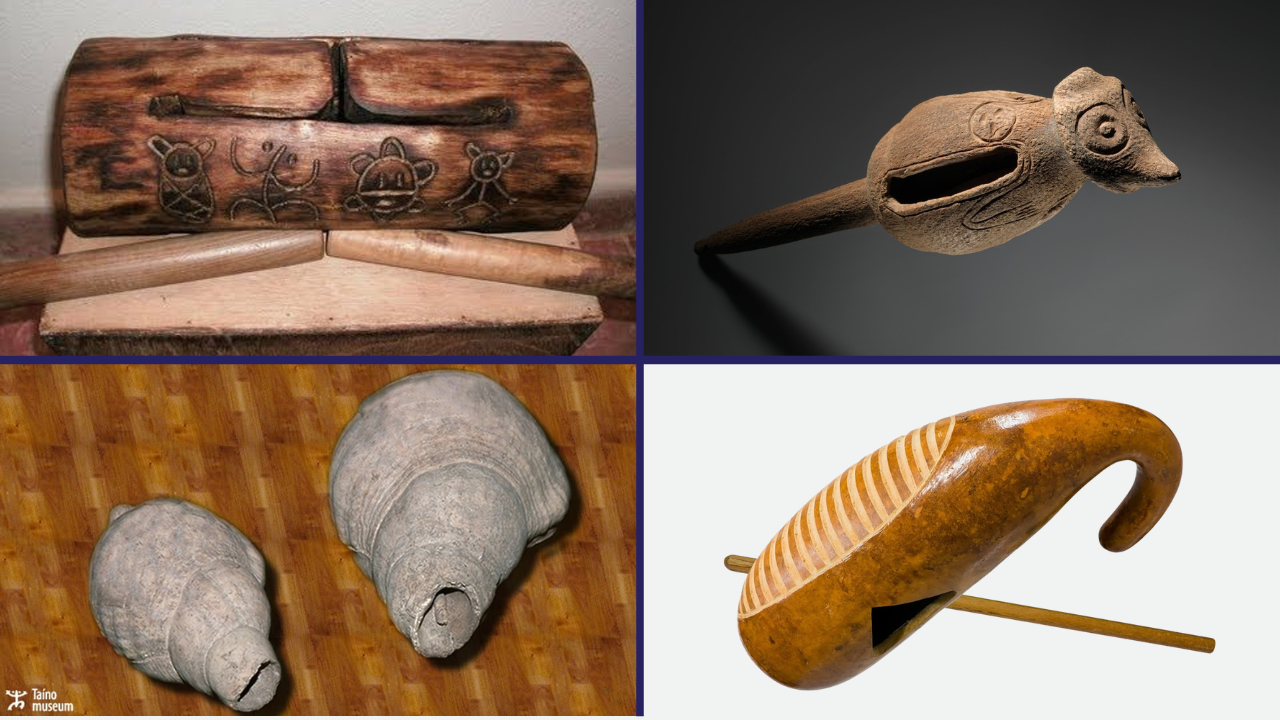
When the Spanish eventually discovered Cuba they were greeted by the native population called the Taino, who also inhabited Puerto Rico, La Española and multiple other Caribbean islands. The Taino were split into multiple groups including the Siboney of central Cuba and the Guanahatabey of western Cuba, and are believed to have originated from South America. Unfortunately, due to the majority of the native population being wiped out by the Spanish, there is a limited amount of information which still remains about these early communities. Luckily for us, one fact that has survived is that the Taino were a musical people and were known for a musical rite called areito, which has been described as a marathon character of dancing which could last for days at a time. There has also been evidence of several musical instruments that the Taino used, including flutes, seashell trumpets, drums, scrapers, and maracas, with the last two becoming a prominent part of Cuban music. With that being said, some of the instruments used by the native population were quite similar to various African cultures at the time, such as the scrapers and shakers as well as the mayohuacan which is comparable to the African catá. Due to the similarities between instruments, it is likely that once African slaves were introduced to Cuba that some level of adaptation took place where Taino instruments naturally began to integrate into the evolving Afro-Cuban culture. How much so, we will never know, but due to their similarities one can presume that the Taino cultures present in Cuba would have influenced the music in some way, albeit smaller than the European and African influences present. Although it can be hard to trace the musical influence, the Taino did use tobacco in everyday life which heavily influenced the invading Spanish who brought the crop back to Europe with them.
The African Influence
While it is difficult to trace exactly how the Taino people influenced Cuban culture, the same can not be said for the African slaves who came to the country. After Columbus suggested the use of slaves for manual labour in the New World, a new era of colonisation was ushered in that lasted hundreds of years and caused the displacement of millions of people against their will. Cuba was not the first island to receive slaves as the practice had already existed since the 15th century, but not long after, slaves began to be sent from various African nations to the island.
Due to the previous engagements with the Moors, Spanish slavery looked different to other European nations. One of the major contrasts came in the form of how much of the African culture they permitted once slaves were brought to their colonies. To help maintain control over the slaves, the Spanish allowed a day of rest on Sundays as well as a higher level of the original African culture to take place such as dancing and playing drums. They also created mutual aid societies called cabildos with the intent of converting the slave population to christianity, however this backfired with the institutions actually being used by slaves to maintain various aspects of their African culture. Interestingly, some cabildos have lasted to this day and offer a fantastic insight into the folkloric African cultures that have existed in Cuba since the 16th century.
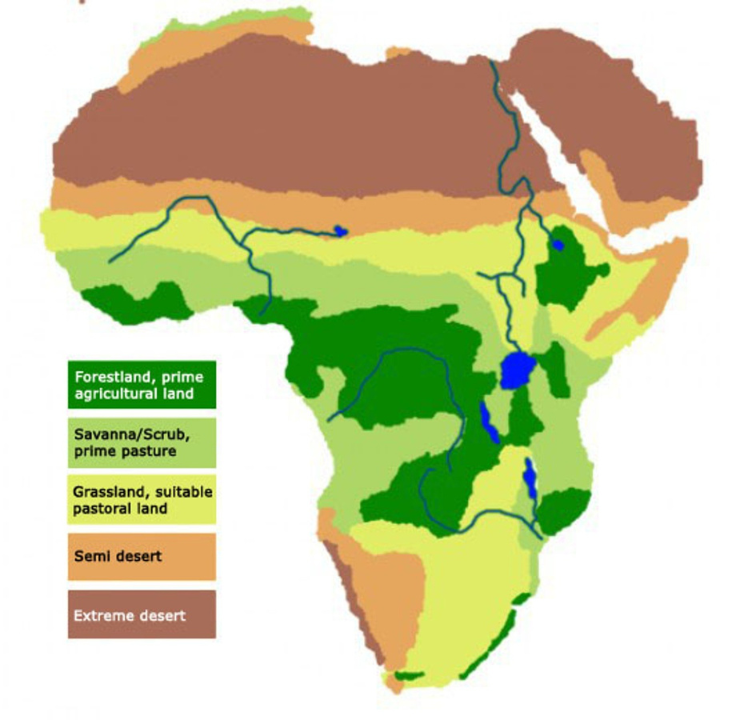
When looking at the African slaves which entered Cuba, it is easy to generalize them all under a singular term “African.” But on closer inspection, these people were taken from nations across the African continent and represented vastly different cultures. Although the European countries slaved from many of the same West African countries, the exact mix of African nations could be quite different from colony to colony. This, alongside the different practices of slaving being enforced, is one of the main reasons why the music of various countries in the Americas differs so drastically from one another. For example, due to the conflicts with the Moors, the Spanish avoided slaving from Islamic African nations, such as those that bordered the Saharan desert. Whereas other European countries such as England were more than happy to take slaves from these locations. As a result, a large number of the slaves which came to the United States were from an islamic area between the Senegal and Gambia rivers known as Senegambia, with those that came to Cuba typically coming from areas further south such as the Congo. As we now stand centuries on from the start of slavery, we can see that the difference in these African nations has helped lead to the creation of a highly diverse set of music across the Americas, whether that be the blues of the United States or the polyrhythmic ostinatos of Cuba. Out of all of the colonies in the Americas, slavery existed for the longest period of time in Cuba, and over a period of nearly 400 years the majority of the slaves came from four specific African nations: the Congo, Yorubaland, Dahomey, and Calabar. Of course there were many slaves that came from outside of these four nations, but in regards to their musical influence on Cuban culture, these were the prominent areas.
Before exploring the various intricacies of the four main African nations that were brought to Cuba, we must first understand more about African culture itself. Music played a major part in African life, and was often integrated in many different ways to the point that most African dialects did not have a separate word for music at the time slavery began. At the center of this musical culture was the drum, believed to be a conduit between the spirit world and the living through the accompaniment of dancing. The drum itself is believed to have evolved alongside African societies since the beginning of language itself, and this connection is likely where the term “talking drums” originated. There is further evidence that in some African languages a set of clicks were used to replicate various drum tones, allowing actual phrases to be formed by the playing of drums. With this in mind, it is easy to see how master drummers could create vast images using a combination of tones comparable to other Western artforms such as European poetry.
Much of the music found in Africa was quite unique compared to what was found in Europe at the time. Where European music was often dominated by sacred christian texts with no meter or rhythm at all, the Sub-Saharan region of Africa was highly rhythmic and featured multiple layers of metric accompaniment. Holding all of the layers together was a singular bell pattern which indicated where in the form a given player was at any time. Alongside the music were a wide variety of dances, with some of the most notable being associated with fertility. Originally misunderstood by the Spanish, these dances were perceived as highly sexual due to the gestures used. However, the dances themselves were an outlet for the African nations to connect with the spirit world and represented the low fertility rates and crop issues the people faced. Both the dances and music were transplanted into Cuba once slavery began and paved the way for many amazing musical developments, namely Afro-Cuban rumba, which then became the basis for everything we hear today.
Due to African music being so diverse, often we can think of the slaved areas of the continent as falling into two distinct categories: the north and south, or Saharan and Sub-Saharan. As you travel south from the desert, the land changes to grasslands and eventually jungle. Alongside the terrain was also a shift in religious views as well as differing access in trade with the outside world. For example in the Saharan areas there was a large presence of Islam as a result of the Arabic expansion following the fall of the Roman Empire. Because of this, the music was influenced by Koranic chanting with a high use of melisma in the vocal lines and had characteristics related to music you might find in the Middle East. It just so happens that due to the stretch of grassland directly underneath the Sahara, many of these cultures also used string instruments too. In contrast, cultures in the Sub-Saharan areas covered by woodland and forest had far less Islamic influence and a different variety of resources to create instruments. The music sounded completely different and focused on syllabic vocal lines and more emphasis on polyrhythm. Of course it is easy to divide African music cultures into two distinct categories, but realistically the musical traits operate on a sliding scale as you travel from North to South, with different nations having a unique blend of characteristics.
Saharan Characteristics
Single melody line
Metric rhythm
Melismatic vocal line
Tense vocal tone
Soloistic style with a focus on individuals
Performed by professionals
complex/wordy text
Stringed instruments
Sub-Saharan Characteristics
Polyphony
Polyrhythms
Syllabic vocal lines
Collective group style by ordinary people
Built around simple, repeated choruses
Not common to feature stringed instruments
Emphasis on large drums
Shared African Characteristics
Emphasis on repetition
Interlocking rhythms
One phrase form
Focus on groove
Now that we’ve looked at the general characteristics of African music, it is clear that by slaving from non-Islamic nations, the Spanish were primarily pulling people from Sub-Saharan Africa. By understanding this key component of African music, we can begin to understand the complexities present in Afro-Cuban music, and start to grasp the foundation for 500 years of cultural development in Cuba. For those that are already familiar with Cuban music, whether it be Afro-Cuban or more contemporary such as Salsa or Timba, have another listen to your favorite tracks through the lens of the Sub-Saharan characteristics above and I think you will be surprised with how much has permeated into modern Latin music. Similarly, we can also look at countries in the New World that received a majority of slaves from Saharan nations and the impact that African musical culture has had. For instance, when looking at jazz and the blues in the United States, two styles which can be directly linked to the Senegambian slaves that were brought into the country, there is a large amount of melisma found in the vocal lines. The most obvious example of this are the blue notes that are emphasized in both styles.
As you can see, there is quite a lot to unpack with the African influence. Due to the complexity present in the four major nations found in Cuba, unlike the previous sections on European and native influences, we are going to continue even deeper and look at each nation in more detail. To start things off we will look at the nation which established the first major African culture in Cuba, the Congolese.
Bantu/Congolese
The Bantu/Congolese culture was the first major African influence to be introduced to Cuba in the 16th century. Although it is an old culture, Bantu is a relatively new word created in the 1800s by German linguist Wilhelm Bleek to describe a linguistic family in Africa, of which the Congolese people come from. Many different cultures find themselves within the Bantu categorization, stretching from present-day Mozambique and Zimbabwe to Cameroon and Nigeria, but for this resource we will be focusing on those from the Congo. If one were to look at a map of Central Africa they may notice both the Democratic Republic of The Congo and the Republic of The Congo. However, the Congolese people we are referring to come from an area which doesn’t abide by present-day borders, and includes fragments of both countries as well as Angola. These people lived in the Mayombe jungle as well as alongside the Congo River and established the first layer of Afro-Cuban culture which can still be seen today in Cuba. Without knowing it, you’ve actually probably seen it yourself through the various style names used over the last century. For example, the sound “mba” can be directly linked to the Bantu people and is found in words such as rumba and mambo, as well as the sound “ng” found in words like conga. One of the earliest examples of music from Cuba called zarabanda also shared this connection, tracing back to the Bantu word “Nsala-banda” which was the name of a powerful religious figure for the Congolese.
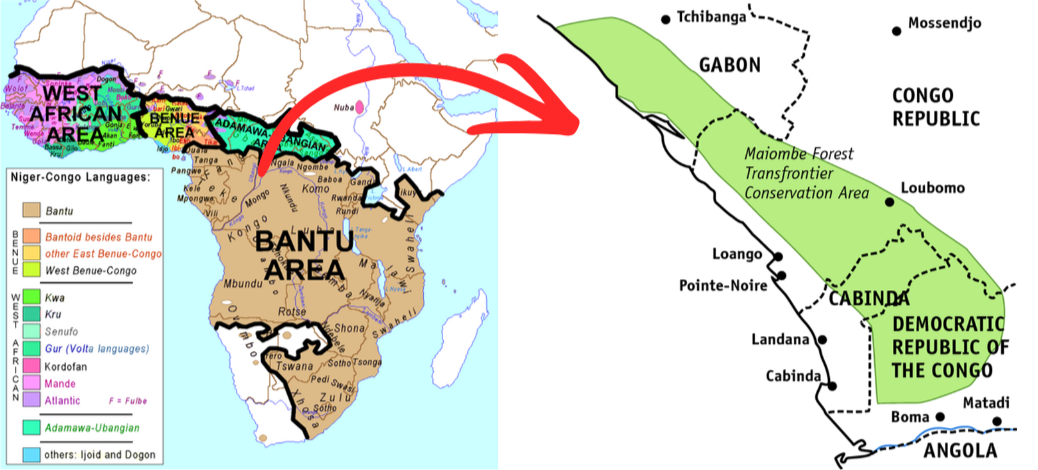
To understand the Congolese tradition that entered Cuba in the 1500s, we need to first look at the customs and traditions of these people in Africa. Interestingly, today there are a number of cultures from the same Bantu group which still exist. Once referred to by the derogatory term “pygmy,” various African tribes such as the Baka still maintain many of the same traditions they would have hundreds of years ago. While Congolese culture may be hard to see today in Africa, thanks to working side by side with other Bantu societies for thousands of years, we can look at the music of the Baka for potential insights into what Congolese music may have sounded like when it was first brought to Cuba.

Like most African music, the music of the Baka features a large amount of repetition of interlocking rhythms that follow a simple cycle, where no one rhythm is more important than another and all parts follow a rhythmic key that guides the music. One unique aspect to the Baka’s approach though is the use of hocketing, where musicians alternate playing the notes of a melody between their voice and instrument. There are some fantastic resources that can explain this technique further if you haven’t come across hocketing before, but by listening to the following example you should be able to get the general gist of the texture the technique provides. Although it would be impossible to know if hocketing was used in Congolese music from the 16th century, as vocal hocketing is not present in Afro-Cuban music it was likely not a characteristic found in the first wave of Congolese slaves that came to Cuba. However, on a larger scale, hocketing is a form of rhythmic interlocking which is definitely present in Afro-Cuban drumming.
Aside from musical characteristics, the culture of the Baka does offer a fantastic insight into the instruments that Bantu people may have used. One such example is a bass style instrument defined as an African earth bow. In its simplest form, it is a large string attached on one end to a fixed branch, rod, or wall with the other end being attached to a resonant chamber, in most cases a dug out hole in the earth which amplifies the tone of the plucked string. The African earth bow was the precursor to the diddley bow found in the United States and used for early blues music, but also made its way to Cuba in the form of an instrument called the Tingo Talango which was a main component in the development of the son style. Another instrument worth mentioning is the mbira, also known as a sanza in European cultures. The mbira is a close relative to the kalimba and is a thumb piano made from iron rods and a wooden board which plays repetitive cycles of notes. While the instrument itself didn’t make it to Cuba, the patterns that were played did and eventually formed what we now call a montuno.
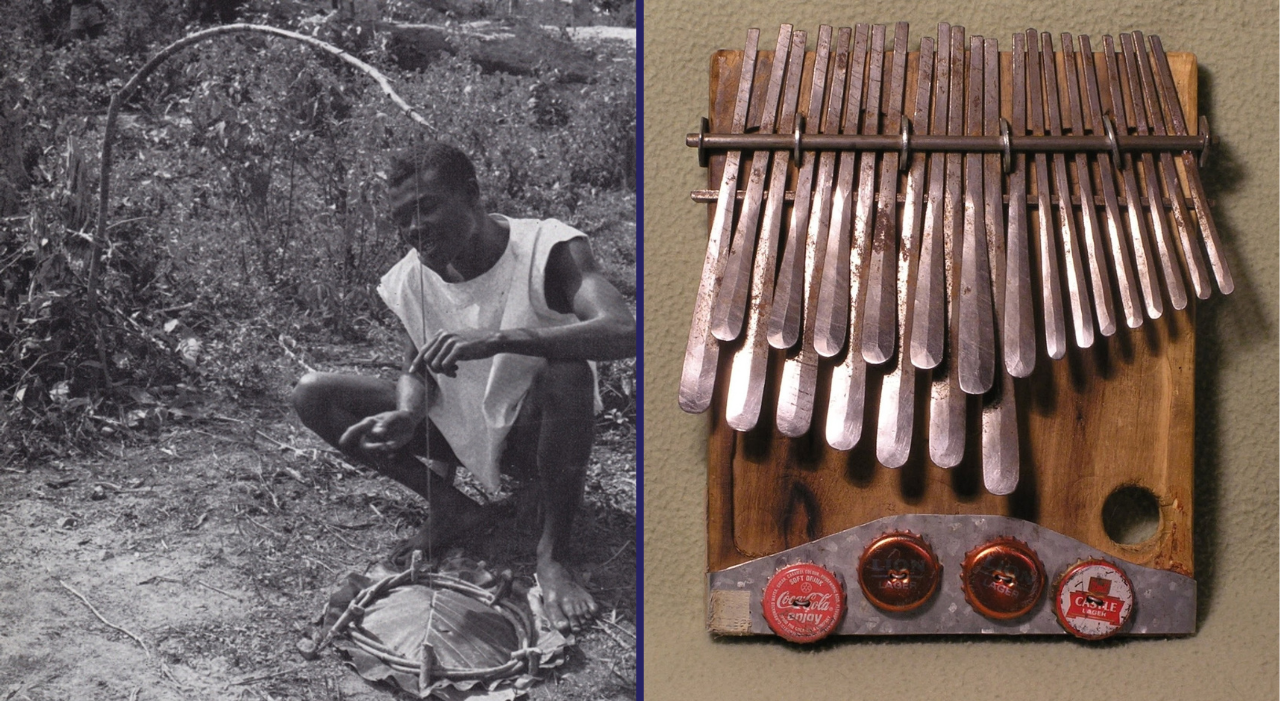
Exactly how many similarities were present between the Congolese and Baka cultures, we will never quite know for sure, but it is amazing that such a comparison is possible in the modern day. Fortunately, due to a number of decisions by the Spanish such as establishing cabildos when Cuba was colonized, we are able to have a somewhat informed idea of what early Congolese-Cuban culture looked like. Similar to most major African nations, the Congolese culture was heavily linked with religion. What this means for us is that in order to understand more about their music, we must first acquaint ourselves with their belief system due to both being intrinsically linked. Known as Regla de Palo, or Palo for short, the religion developed over many centuries with the name being used to describe a number of different practices that came together over time. The flexible structure of the religion allowed it to exist alongside christianity in Cuba with various traits from Spanish Catholicism being adapted into Palo over the last 500 years. However, the main factor which led to the longevity of such a religion existing in a country where the Spanish rulers tried to convert everyone to Catholicism was the secrecy in which it operated. On one hand this has had the benefit of the practices being maintained to the current day, but it also has increased the difficulty in which members of Palo are willing to disclose information about their religion. This has gone on to the point where older generations may not even want to pass information along to younger Paleros. With that said, although Palo is secretive it is still one of the more commonly practiced religions in Cuba, and is likely practiced on a similar scale to the more well-known religion Santeria which we will cover later.
Diving into Palo further, the religion is heavily based around magic with the primary purpose of controlling nature. Practitioners used charms and spells to solve worldly problems such as curing sickness, but also could inflict pain upon an enemy in some circumstances. While magic was a key part of the religion, death also played a major role in most ceremonies. As Paleros believed the dead were able to offer insight into the afterlife, being the only ones with experience being both alive and dead, many rituals once involved the bodies of the recently deceased. Parts of a dead body would often be mixed with various other ingredients within an iron cauldron (called a nganga) that was believed to house a spirit and would bestow certain abilities to those involved. The spirits in question were referred to as mpungus and used to represent natural forces, operating in a similar manner to the saints in christianity, or in the Cuban context, the orishas found in Santeria. As you can imagine, there are many mpungus in Palo, each associated with a variety of ceremonies and called down to aid Paleros for different reasons. Importantly for this resource, these ceremonies were accompanied by music.
A common characteristic of all African cultures that came to Cuba is that music was strongly associated with religious ceremonies and gatherings. If we look at a more common Western religion such as christianity, we can see a similar musical structure take place, one where there were different chants used to accompany holy days and religious figures. In no way do I mean to say that religious music in Africa sounds similar to early Christian music, I just want you to understand the scope of what exists in African and Afro-Cuban religions by comparing it to Gregorian chant. Going back to Palo and the Congolese people, many traits of this religious music helped build the musical tradition in Cuba as we know today. It is from the Congolese traditions that we get large open-bottom drums, which eventually became the conga drums, as well as many of the foundational Cuban rhythms. When we look at Afro-Cuban styles such as rumba and conga de comparsa, there are even more influences from Congolese music, dance, and singing. The main point here is that the Congolese slaves were the first to arrive in a large majority to Cuba, and as such established the foundation for Afro-Cuban culture. If you can understand Congolese music and their traditions, you will have an easier time piecing together the complex structure of Cuban music. With that said, let’s get into some examples.
Palo
Sharing the same name as the primary Congolese religion, palo (also known as toque de palo) is a style of music which accompanies various religious ceremonies and gatherings. Unlike other Afro-Cuban religions such as Santeria, the Congolese religion does not have different music associated with their deity’s, but is still nonetheless diverse and complex. Almost all major Afro-Cuban folkloric styles feature three components: singing, dancing, and rhythmic accompaniment with palo being no different. We will mainly be focusing on that third component but that’s not to discredit the other two areas of this music which can be equally complex.
Palo introduces many characteristics of Afro-Cuban music that are shared among the four major African nations that came to the island. These didn’t originate with palo, but as it is the first example we are covering, we will use the style to help understand the basic structure of folkloric Afro-Cuban music. Commonly four or five percussion instruments are used, three being hand drums of various sizes with different roles, one being some sort of metallic instrument which plays a bell pattern to orient all of the parts, and the last being a secondary bell pattern role often played by a non-metallic instrument. In palo the three drums would have originally been authentic Congolese made instruments but today the conga drums are used to satisfy the role. For the metallic bell pattern a guataca is often used, an everyday hoe blade more commonly used to dig up the ground and commonly substituted for a cowbell. Finally, in some instances there is a wooden instrument called a catá which is assigned to the secondary bell pattern. Similar to the mayohuacan used in the native Taino culture mentioned earlier, the catá is a hollowed out log played with sticks. Originally, the catá part would have been played on the side of the largest drum, which was considerably bigger than a modern conga.
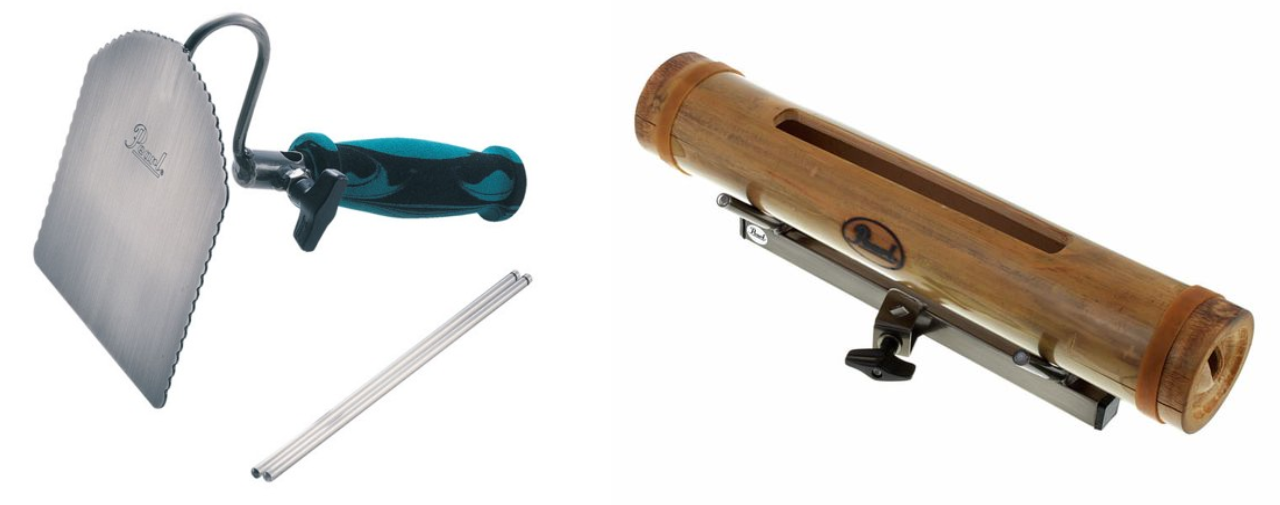
Before exploring palo further I should mention that originally the instruments being used in Afro-Cuban folkloric styles would not have been the conventional options used today. The guataca, catá, and congas began to emerge once the many African cultures in Cuba started to come together and create their own Afro-Cuban identity. Initially, the instruments used would have been quite different from one culture to the next and even could differ from style to style within the same African nation. To help minimize confusion where possible, for the examples we are looking at in this resource I’ve used the original instrument names to indicate what would have once been used but then next to the name I’ve put the more common options used today.
Thanks to the history between the Spanish and Moors, when they started bringing slaves to Cuba they established society houses called cabildos to try and convert Africans to christianity. In reality, these mutual aid societies actually helped preserve African culture and are one of the reasons why today we know so much about the cultures of the African nations which were brought to Cuba. While not all of the cabildos survived, there are some which are still functioning and can trace back their African traditions to the first wave of slavery. Relevant to palo, it is in these buildings that the style is performed, with every cabildo having a different flavor to how they play the music. Some are stooped more heavily in tradition whereas others have modernized their approach. Crucial to understanding folkloric Afro-Cuban styles is that there is no one way to perform a particular style. As long as the primary components are there, every neighborhood could have a variation that feels both unique but grounded in the original culture. So with that said, the following examples are just a snapshot of one variation of the folkloric styles mentioned, each of which building off the core components but with the flexibility to be interpreted in different ways. Treat these examples more as an introduction to the music and patterns used, more so than a rigid model to be copied every time. The main point to be mindful of is that the role of each instrument stays the same regardless of the variation but the rhythms may change.
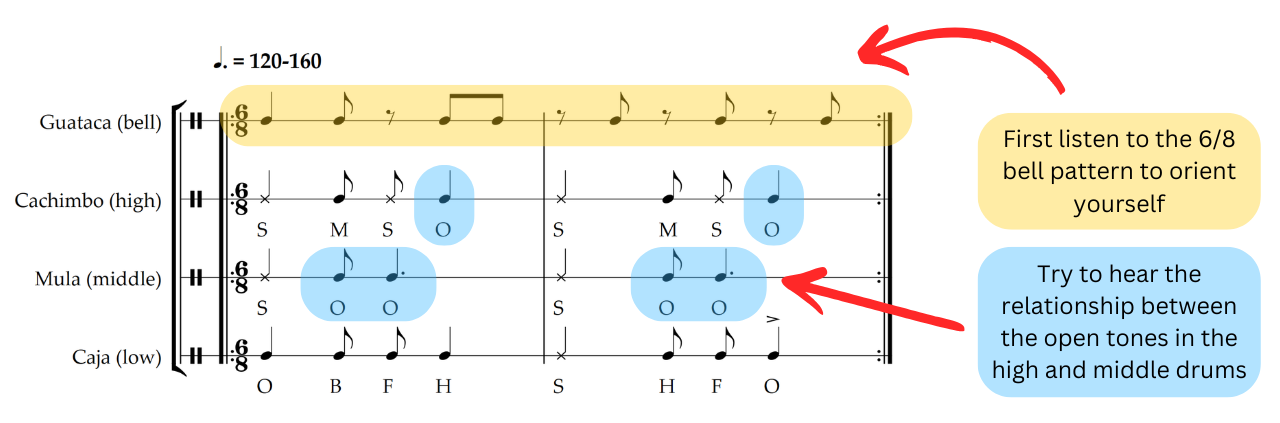
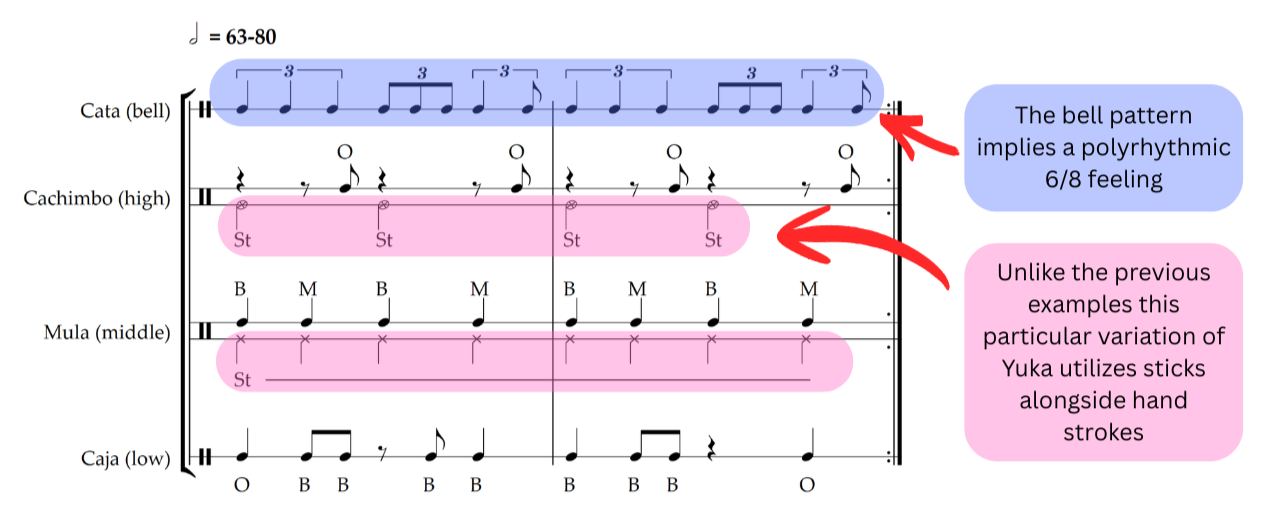
When looking at a folkloric style such as palo for the first time, it can be quite overwhelming to try and understand what is going on, especially if you’re like me and come from a non-Cuban background. Moreover, when listening to the style it can raise more questions and is often a little confusing with how everything is working together. The key to understanding this music is to listen to the bell pattern as it is the defining part which glues the instruments together. In this case the bell pattern being utilized is the traditional 6/8 pattern which is one of the most common options available. Some call this pattern bembe, but as we will see in our exploration of other folkloric Afro-Cuban styles, the 6/8 pattern appears everywhere and to associate a name with one particular style would limit our perception of the rhythm. Instead, I simply call it the 6/8 bell pattern. You’ll notice that the pattern is a two bar ostinato, a common trait for almost all Cuban music, and its primary role is to orient the musicians as to where they are in the two bar cycle. In Western music this would be comparable to a metronome which helps us keep track of our place within a given bar. However, as soon as you think of a two bar system, a metronome wouldn’t indicate the specific bar in a cycle. The solution many African nations came up with was to have a unique rhythm where each bar was different and could easily identify exactly where in the cycle a musician was. Due to it being a two bar cycle, there are two orientations a style could be played in. These days we use the term 2-3 or 3-2 to specify which orientation the rhythm is played in but we will cover that in a later resource once we’ve unpacked clave properly. For now, it’s more important just to be able to identify the bell pattern and hear its place in the ensemble.
Alongside the metallic 6/8 pattern the next instrument to be aware of is the secondary bell pattern. Often played by a different texture to complement the metallic sound of the guataca/cowbell, the secondary pattern has the freedom to either double the primary bell pattern or add another rhythm into the mix. If the latter is chosen, the secondary part can access a range of other commonly used bell rhythms, but in some cases a secondary pattern is not used at all, such as in this example.
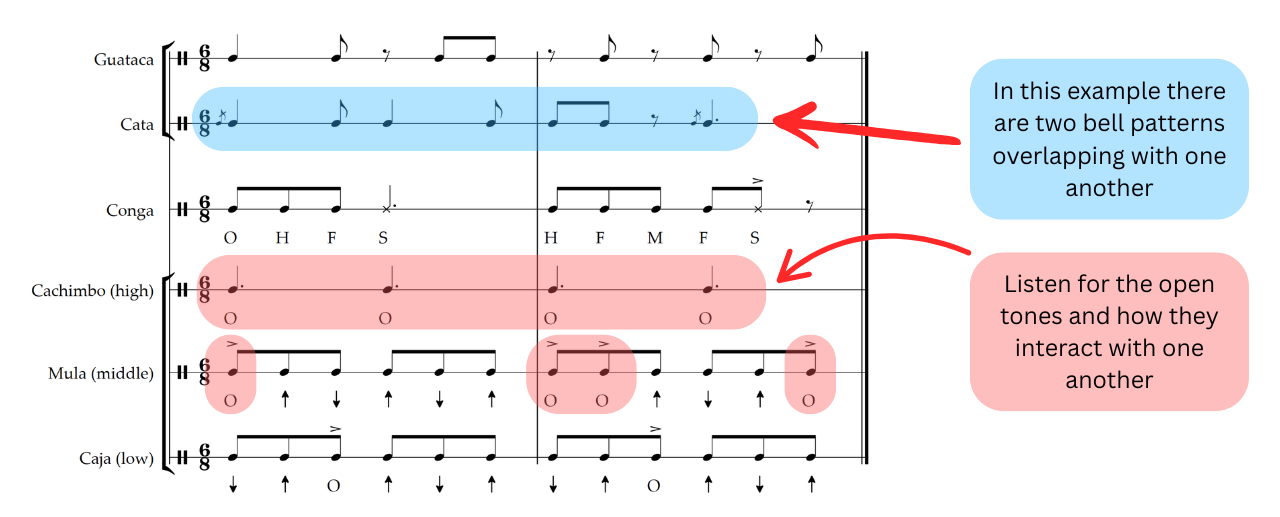
From here, we need to look at the drums and how they operate within the ensemble. Like most folkloric styles, there are three drums each named after the size of the instrument. In this case the highest pitched drum is called the cachimbo and plays a set of repetitive rhythms, alternating slaps and open tones. Working in conjunction with the cachimbo is the mula, the middle sized drum, which plays a similar pattern but with complementary rhythms resulting in an interlocking effect between the two drums. Finally, the lowest drum is called the caja and operates in a unique manner different from the other four parts. The caja’s role is to improvise, and in most cases starts with a common rhythm that they alter as they solo. Hearing the subtle differences in the three drums can be hard and it took many repeat listens for me to be able to identify the individual parts as well as how they work together. My suggestion is to first try and hear each component separately, then look for how they relate to one another by going one instrument at a time. The main points to look for are the interlocking open tones between the two highest drums as well as how everything lines up with the primary bell pattern.
Makuta
Similar to palo, makuta is another Congolese style which shares many of the same traits and is actually one of their most popular ceremonies. Although we aren’t going to analyze the dancing of makuta, one important characteristic worth mentioning is that the style is accompanied by a fertility dance used to celebrate the birth of a child or a successful harvest. These dances made their way to Cuba through the transatlantic slave trade and hugely impacted Cuban culture, notably through the rumba tradition but also went on to influence Spanish culture with zarabanda. The most noticeable difference between makuta and palo is that makuta is felt in duple time rather than 6/8. Each instrument has a similar role, with the bell pattern providing a rhythmic time line for the whole ensemble, the cachimbo (high drum) and mula (middle drum) both playing interlocking rhythms, and the caja (low drum) improvising. Like palo, this example is just one version of the style, with many localized variants existing in the cabildos across Cuba.
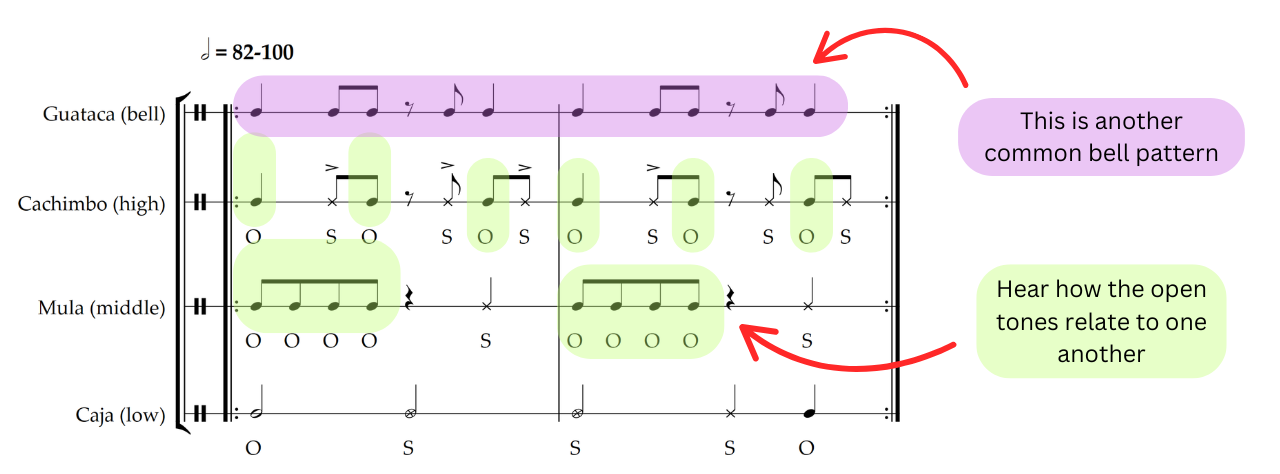
Although we are able to hear versions of this music played today, there are many aspects of Congolese culture that have been lost with time. In makuta specifically, there were other instruments that have since been forgotten and disappeared. Historians believe one such instrument was similar to the Brazilian cuica, and was called the kinfruiti. However, there are some additional instruments that do still exist today and are used in an auxiliary capacity for some makuta ensembles. One such example is the cha-cha, a rattle which will often outline the downbeats. Other rattles, called nkembi, can also be worn by the drummers to add a complementary texture while they play.
Yuka
The last Congolese style we are going to cover is called yuka. Typically, the style is played in secular settings and in that way, is comparable to other Afro-Cuban styles such as the Yoruban bembe which doesn’t require the musicians or drums to be blessed. Again it features many of the traits of the last two styles we have covered, but also introduces a few new elements too. Up first are the lyrics which are sung in a language called bozal, a creolized Bantu and Spanish hybrid that was also used by the great Cuban composer Arsenio Rodriguez in the early 20th century. Secondly, the drums are played with a mixture of hands and sticks, creating a texture that is unlike palo and makuta. The sticks are used on the side of the drums, with some drums being fitted with metallic objects to add further texture to the music. Finally, yuka introduces a common Sub-Saharan characteristic that isn’t as obvious in the previous two styles, polyrhythm. While the ensemble is primarily felt in 2/2, the bell pattern played by the catá implies a 6/8 feeling. Some variations of yuka are purely felt in 6/8, but for this section we will be looking at the polyrhythmic variant to help familiarize the feeling of both meters against each other. As we can feel this example in two different time signatures it may be difficult to identify each part when listening to the audio track. Fortunately, the tempo is on our side, making it much easier to hear each part clearly.
Hopefully by exploring these three Congolose styles you can see the diversity and complexity present in their music. I find it amazing to think that the characteristics we’ve looked at date back centuries in Cuba and much, much longer in Africa, creating the foundation for all of the amazing Cuban music that we hear today. But we aren’t stopping there and have only just scratched the surface. While the Congolese may have provided the first wave of African influence on Cuba, by the end of slavery they were dwarfed in numbers by another nation which started to arrive on the island in the 1800s. They were the Yorubans.
Yoruba/Lucumi
Thanks to the Haitian revolution and the high demand for sugar production in the 19th century, once the French colony of Saint Domingue (modern day Haiti) had fallen, the Spanish saw an opportunity to capitalize on the situation. As a result, sugar production in Cuba increased and in turn the number of slaves brought to the island rose to an all time high. In order to maximize profits, the Spanish loosened their ideals on slaving from Islamic African nations and began importing slaves from Yorubaland. Even though we refer to these people as the Yoruba today, originally they did not associate themselves under this title. When the slaves from Yorubaland arrived in Cuba they were called Lucumi by the slavers, which is believed to have come from a greeting the Africans would say, “Oluki mi,” translating to “my friend.” It wasn’t until later in the 1800s when another African nation started using the word Yoruba to describe the people from the Oyo kingdom, which was eventually picked up by Europeans to describe a range of nations that shared similar languages and beliefs. However, the people that were grouped into the Yoruba classification often fought with each other, and it wasn’t until the middle of the 19th century that they became united. The name itself didn’t catch on in Cuba until the revolution in 1959 which saw Fidel Castro come to power. That’s all to say, the word Yoruba is a loose term that describes many cultures that come from modern day Nigeria and Benin.
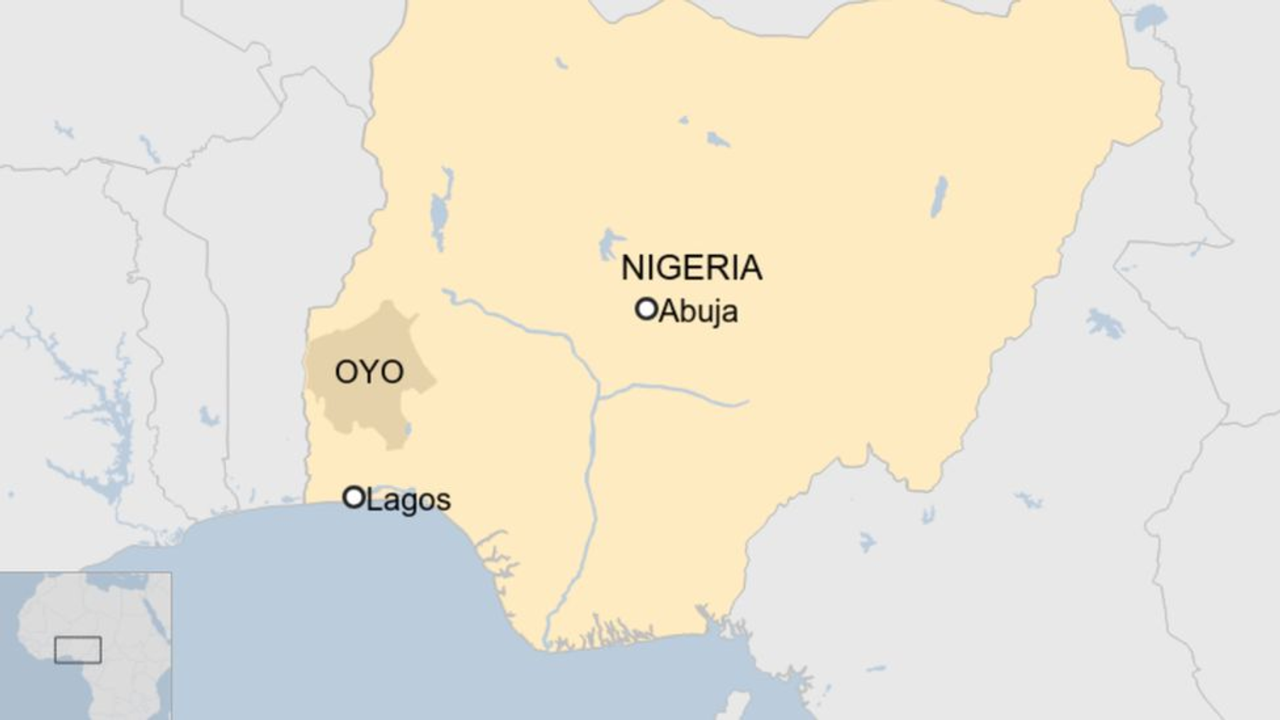
Unfortunately for those wanting to understand the roots of the Yoruba, much of the nation’s history is unknown, with many different opinions on where the people originated from. Unlike the Congolese, Yoruban culture wasn’t recorded until the 19th century, which is probably due to there being no distinct Yoruba written language until the mid-1800s. Instead, the Yoruba preferred to record their history through an oral tradition, which can help give hints about their great civilization. One of the possible origins of the Yoruba is in the forest city of Ile Ife found in modern day West Nigeria. It is believed that an event displaced the people of the city, similar to a revolution, which formed the beginning of the Yoruba. Since then, Ile Ife is now considered a holy city in Yoruban culture, with the first king, Oduduwa, being remembered as a god.
Another major city within the region was Oyo, which was the major power of the Yoruba in the northern part of the region. Oyo was an urban civilization comparable to other developed settlements around the world, with the Yoruba potentially being the most urban of African peoples at the time. The city was situated in a favourable location that was influenced by both the grassland and forest cultures of Africa. As a result, Oyo had access to the trans-Saharan trade route which gave the people access to iron as well as Islamic culture. Additionally, the proximity to the forest brought the use of wooden drums and the incorporation of polyrhythm into Yoruban music. Although the culture was thriving, by the early 19th century it was thrown into civil unrest due to internal conflicts. Like many other African cultures, Yorubaland decided to contribute their own people to the slave trade in hopes of bringing financial stability to the region, which further amplified these issues and eventually led to the collapse of the empire. By 1830, so many Lucumi slaves had entered Cuba due to the sugar rush that they had become the dominant African nation present in Afro-Cuban society. Not only did they severely influence Cuban culture, but the majority of Lucumi were brought to the Western parts of Cuba, further differentiating the music across the island.
Similarly to how the Congolese have Palo, from the Yoruba comes Santeria, one of the most popular religions in Cuba. When comparing the religions, Santeria is far more accepted on the island due to its visibility and openness. In turn, the religion has been studied to a much higher degree than Palo, and can offer many insights into Yoruban culture. Santeria itself is an adaptation of a much larger religion from the Oyo Empire in Africa that we simply call the Yoruba Religion, but before unpacking the inner workings of said religion, it should be noted that the religion itself offers a fantastic reference for the impact of Islam on the Oyo Kingdom. Although Islam didn’t penetrate as deeply as other West and North African nations, it’s still present within the culture. For instance, practitioners of both the Yoruba Religion and Santeria wear all white which originally came from the marabout, a holy person found in Islam. Another similarity is the use of head coverings which are prominently found in Islam. Finally, one of the deities found in the Yoruba Religion is called Obatala, who is considered the creator of mankind and is commonly known as Orisha ‘la. The name likely comes from Allah, and when looking at the deity’s other characteristics such as his day being a Friday, the Muslim Sabbath, it paints a clear picture that the deity most likely came from Islam. Unlike many Western religions, the Yoruba Religion did not exclude other beliefs, and is likely why there are elements of Islam within the culture. This openness to incorporating external religious customs also extended to when the Yoruba Religion entered Cuba, where it adapted around Spanish Catholicism.
Due to the Yoruba Religion emphasizing the importance of one's inner spirit more so than holy locations, holy signs and symbols could be seen in a variety of places, giving the religion a flexibility that allowed it to survive in Cuba. As it arrived in the Americas, practitioners found similarities in Spanish Catholicism and adapted many of the christian saints, rituals and ceremonies into the Yoruba Religion. The result was what we now call Santeria, a variant of the Yoruba Religion with a layer of Christian influence. On the outside, the Spanish saw the Yoruba practicing christianity, but the true story was that the Afro-Cubans were actually practicing Santeria, allowing the religion to hide in plain sight. It should also be noted that due to African religions not limiting a person to one belief system, it is possible for a person to believe in Santeria, Christianity, Palo, alongside any other religion if they so choose.
At the heart of Santeria are the Orishas, deities that have varying traits and are known throughout Cuba. Similar to Gods in other religions, the main difference with the Orishas is that they are believed to be alive today. When the Lucumi arrived in Cuba, they quickly identified christian saints as Orishas, drawing many similarities between the two religions. As a result, practitioners sometimes refer to Orishas as Santos (saints); however it must be remembered that although Santeria absorbed various aspects of christianity, the two are still different religions.
Eleggua (red and black), trickster god and opener of roads and the guardian of crossroads
Ogun (green and black), a machete wielding warrior who bathes in blood, lives as a hermit in the forest, is a blacksmith
Yemaya (blue and white), the mother of the world, goddess of salt water and sea, protector of fishermen, most popular santos in Cuba
Orula (yellow and green), keeper of the oracle of divination
Ochun (gold), goddess of love, beauty and prosperity
Chango (red and white), owner of the bata drums and the greatest drummer
Obatala, creator of the world and of humans, purity, harmony
Babalu-Aye (purple), god of sickness
Oya (colours are a complex of nine hues), female warrior, lord of the cemetery and strong wind
Ochosi, hunter and tracker
Olokun, ruler of the dark depths of the sea
Iroko, a grand ceiba tree
Agayu, father of Chango
To be initiated into Santeria, one must first have a Santo claim the believer’s head, a process which involves a babalao (a priest), asking Orula (a specific Orisha) whether a Santo will come down and be assigned to the person in question. In most cases this is successful, with the new initiate having to go through a week-long ceremony called “Making Santo,” that involves animal sacrifices, musical rituals, and specialty clothing. It’s at this point the believer is presented to the batá drums. After this process the believer enters a period called Yawo, where there are many requirements the person must meet over the course of a year. Some of these requirements include wearing all white, keeping the head covered, and not shaking hands.
Like Palo, Santeria has many different ceremonies all associated with music. In fact, the Yoruba actually have one of the most sophisticated styles of music out of any Afro-Cuban culture. To help you understand the scope of just how many different styles exist within Santeria, each of the dozens of Orishas have multiple different musical ceremonies, and on top of that within a ceremony there are variations based on the perceived mood of a certain deity. As I am no master in Yoruban music, it would be unwise for me to try and unpack the many different layers of this music in this resource. However, what I can do is offer a small glimpse into the topic in the hopes that you can see just how complex the culture is. To put it on a scale you may be familiar with, the music of the Yoruba can be compared to the entire collection of sacred music associated with Western christianity, and as such should be treated with the same level of respect.
Batá
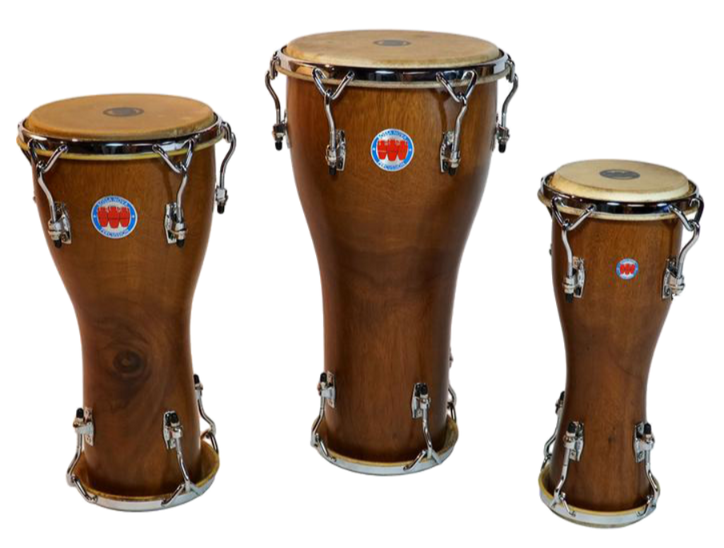
One of the special components of Santerian music are the instruments used, specifically the batá, a double headed drum which must be consecrated in order to be used in religious ceremonies. The process of consecration calls an Orisha into the drum from an existing set of blessed drums and results in the drum itself being seen as a deity, also known as having “fundamento.” Unfortunately, this process can be extremely difficult due to the small number of consecrated sets of batá drums in existence. As of 1950 it was believed only fifteen such instruments still existed in Cuba. From an audible perspective, the consecration doesn’t change any of the characteristics of the drum, but of course there is a spiritual difference.
When the Lucumi arrived in Cuba they changed many aspects of their religion, with one such element being the association between the Orisha and the batá. Instead of each Orisha being attached to a different geographical location and a set of drums, the religion was adapted so that the batá could solely cover each deity. As a result, a new ceremony called the Oru was created to feature the music of each Orisha in a sequential order. Although we can’t trace the exact origin of the Oru, it’s likely to have come from the influence of Catholicism as the religion features sequential musical ceremonies. In a conventional ceremony, the accompaniment for the Oru is made up of drums and voice, however there is a variation called the Oru Seco which purely focuses on the batá. The music played in both the Oru and Oru Seco is some of the most sophisticated of the whole Yoruban culture and highlights all of the intricacies of the Orishas and their musical variations. In fact, some musicians dedicate their whole life in pursuit of mastering the format.
The first portion of an Oru Seco is dedicated to the Orisha Elegua and similar to what we saw in Congolese music, features three drums alongside a bell pattern. The lowest sounding and biggest drum, the Iyá, is the leader of the ensemble and signals the transitions into each section. It features a set of unique rhythms which converse with the middle drum, the Itótele. Complementing the two is the Okónkolo, the smallest drum with the highest pitch which maintains a consistent rhythmic pulse and is often assigned to new players. Unlike other cultures, the religious music of the Yoruba does not feature any improvisation. Instead, batá music includes multiple sections with calls and conversations built into the style. The Iyá player is responsible for responding to the ceremony in real time but draws from an extensive repertoire of passages which are linked with the emotion of a given Orisha rather than improvising. As with all folkloric Afro-Cuban music, depending on the neighborhood the music will be played with different flavors and can feature variations on each of the rhythms. This particular example from Havana leans more heavily on polyrhythm with an absence of fingertip strikes, a technique more strongly associated with the Oru Seco in Matanzas. In this case the 6/8 bell pattern is played by the Acheré, a rattle which offers a contrasting sound to the metallic and wooden bells we looked at earlier.
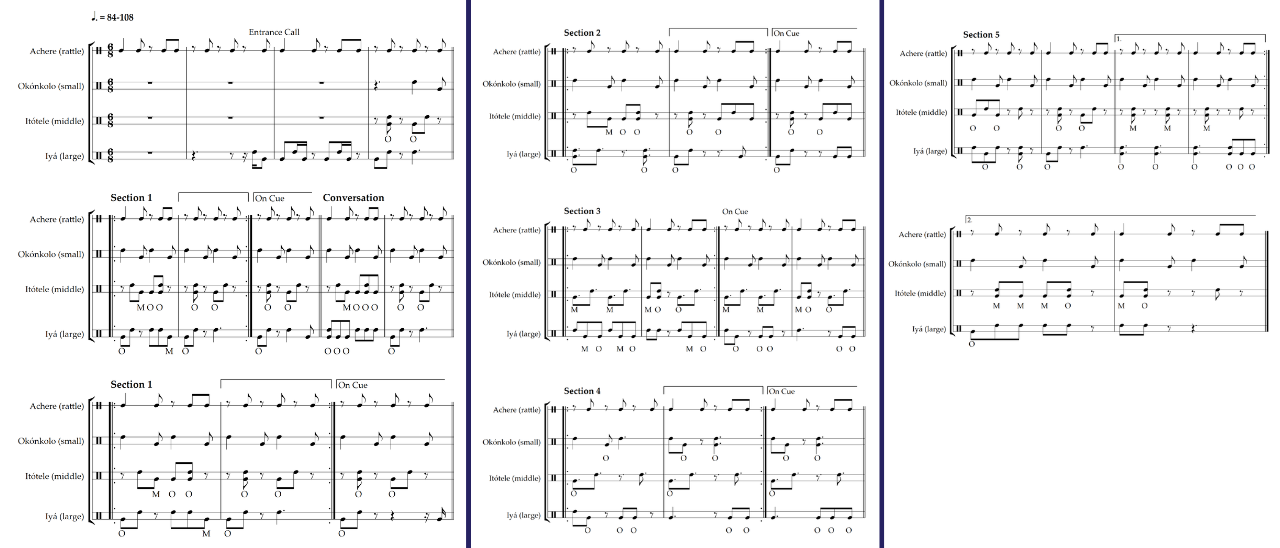
Hopefully this one particular example will shine a light on just how much depth there is in batá music. Due to the double headed construction of the drums, each musician has twice the amount of tones available which has led to a plethora of mixed techniques and rhythms over the centuries. Even more impressive is that these passages are passed down aurally and the musicians memorize everything. But the Yoruban music culture isn’t just bound to the batá tradition and in fact has many more ceremonies, both secular and sacred, which are associated with music.
Bembé
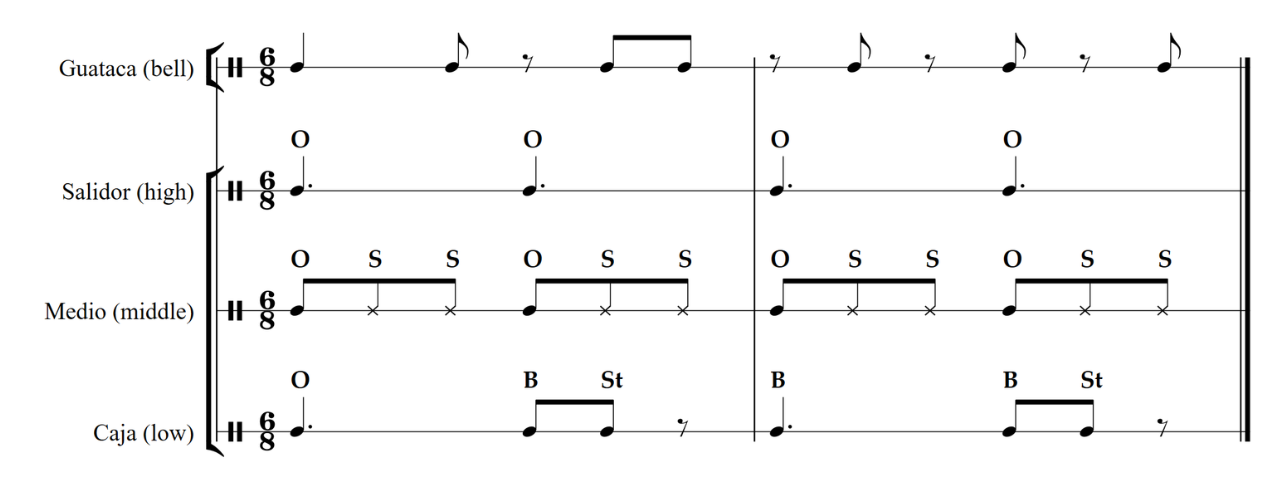
Perhaps one of the more recognizable style names to those unfamiliar with the inner workings of Afro-Cuban music is bembé. Thanks to the integration of the 6/8 bell pattern into Western music, namely through the creation of Afro-Cuban/Latin Jazz in the 20th century, the name bembé has a completely different meaning in the Western music world to the style we will unpack shortly. I first came across the name at university where my peers would use it to describe any music with the 6/8 bell pattern, most often referring to the pattern itself as the bembé rhythm. Not knowing any better, I joined in too, until years later that is, when I started to see what bembé actually represented. What I discovered was that the name actually was linked to a secular ceremony of the Yoruba which honors multiple Santerian deities and not just a single 6/8 rhythm. Furthermore, once I had been exposed to a number of different Afro-Cuban styles, it became apparent that the 6/8 bell pattern didn’t just belong to bembé but was in fact present across all of the African nations influential in the development of Cuban music. So for me, I now only use the word bembé to describe the actual Yoruban style and instead refer to the common 6/8 rhythm as the 6/8 bell pattern. At the end of the day what matters is that you understand the music and can communicate about it with others where necessary. Terms will change as time goes on and I’ll leave it to the Afro-Cubans to dictate how exactly they would like their music to be defined.
There are many variations of bembé played throughout Cuba. Some are played with sticks, others with the hands, and there are a plethora of rhythmic differences between each interpretation. While they may all be slightly different from one another, the core components, which we have now seen multiple times, are still present. There are three drums: the salidor - the highest pitch drum (not to be confused with the modern term used to describe one of the largest conga sizes), the medio - the middle drum, and the caja - the lowest drum. Like the Congolese tradition, the two higher drums play interlocking rhythms while the caja improvises, all of which is guided by a bell pattern.
Guïro
Rounding out our Yoruban examples, we have one of my favorite Afro-Cuban styles which offers a bit of a twist to the format embraced by the examples up until now. You might be thinking, I’ve heard of a guiro before, perhaps this style is associated with that instrument? Well you would be mistaken, as this folkloric style doesn’t feature a single guiro and you’ll have to wait for a later resource before I start unpacking the instrument. Instead, guïro features another instrument made from a gourd, the chekeré, which belongs to the shaker family and is covered by a net of beads. What makes this particular style unique to the others we have discussed so far is that instead of having three drums, a typical guïro ensemble features three chekerés. Each of the original roles carry over, with there being three different sizes of chekeré with the highest two playing interlocking rhythms and the lowest improvising. The naming conventions are somewhat similar as the highest is called the cachimbo and the lowest the caja, but the middle instrument is instead referred to as the segundo. Alongside the chekerés is the staple bell pattern and secondary bell pattern, as well as there also being an additional drum that sometimes accompanies the ensemble.
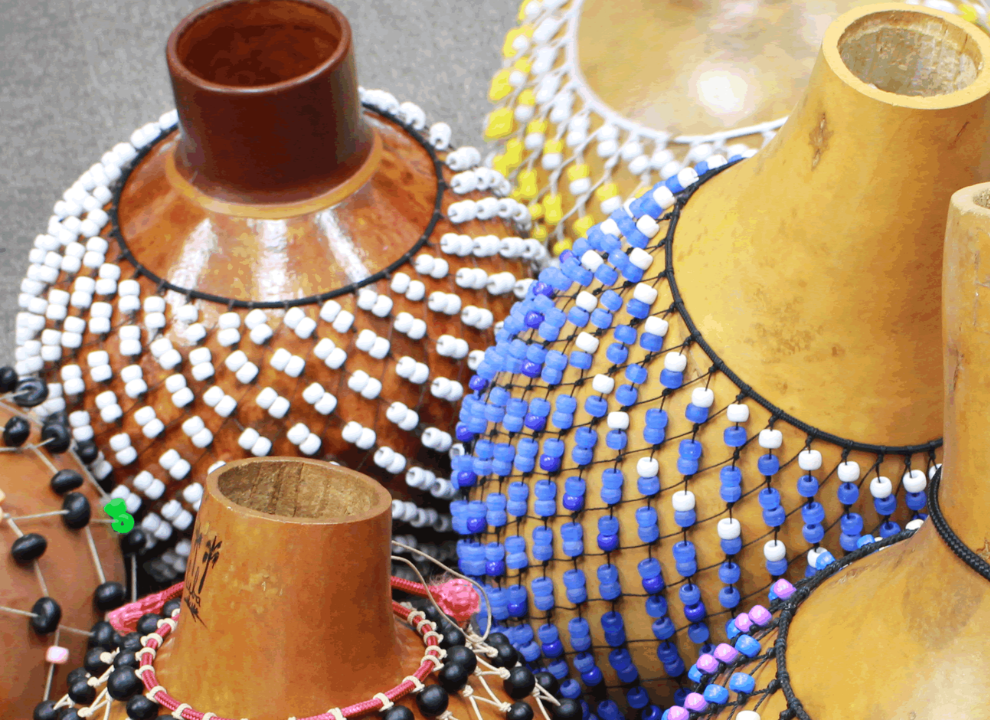
Unlike the conventional shaker, due to the size and design of a chekeré there are a few textures available. Specifically, the instrument can be struck with the palm of your hand to create an open tone. As such, in guïro there are three prominent sounds the chekeré utilizes, allowing for an interwoven texture to be created. While not as prominent as an open tone on a drum, there is still some level of audible differentiation between the techniques played on a chekeré, so when listening to the following example try to listen in to the relationship between the open tones of each chekeré part.
As you can see, Yoruban culture has significant depth and sophistication. Being the most urban nation in Africa during the late 18th century, it developed an outstanding drum culture with many intricate rhythms and ceremonies. It brought the final layer of African knowledge to Cuba, reinforcing the other nations when it arrived in the 19th century, and deeply impacting Cuban music as a whole. To truly understand Cuban culture, one must be familiar with the Yoruba and their traditions including the Orishas and their music. We have now looked at both the first African nation to impact Cuba being the Congolese, and the nation with the most impact, the Yoruba, but there are still two which remain, so up next is the Dahomey.
Dahomey/Arará
In comparison to the Congolese and Yoruba, the Dahomey may have come to Cuba in smaller numbers but their impact is no less distinct than the others. Thanks to the Dahomey being highlighted in films like The Woman King in recent years, they have now become slightly more known among the Western audience. But what we will be discussing actually takes place just prior to the events of the film when the nation was known primarily by a different name.
Located in the south of present day Benin, the Fon Kingdom were known as efficient and professional soldiers who notoriously held large human sacrifices. They entered the slave trade in the early 1700s when they overrun two cities, Allada and Ouidah, which expanded their kingdom to include what is now often referred to as “the Slave Coast” in West Africa. It was also during this time that the Fon picked up the name the Dahomey from European slavers, a name which has since become popular. Although they were considered their own nation, for a period of time the Dahomey were also included in the overarching Yoruba Kingdom. However, this changed in 1818 when King Gezo declared independence and began slave raids on the neighboring Yoruba. As a result of the connection between the two cultures, the primary religions of both cultures share many similarities. Additionally, as the Dahomey entered the slave trade a century earlier than the Yoruba, their presence in Cuba likely paved the way for Santeria and other Yoruban customs on the island.
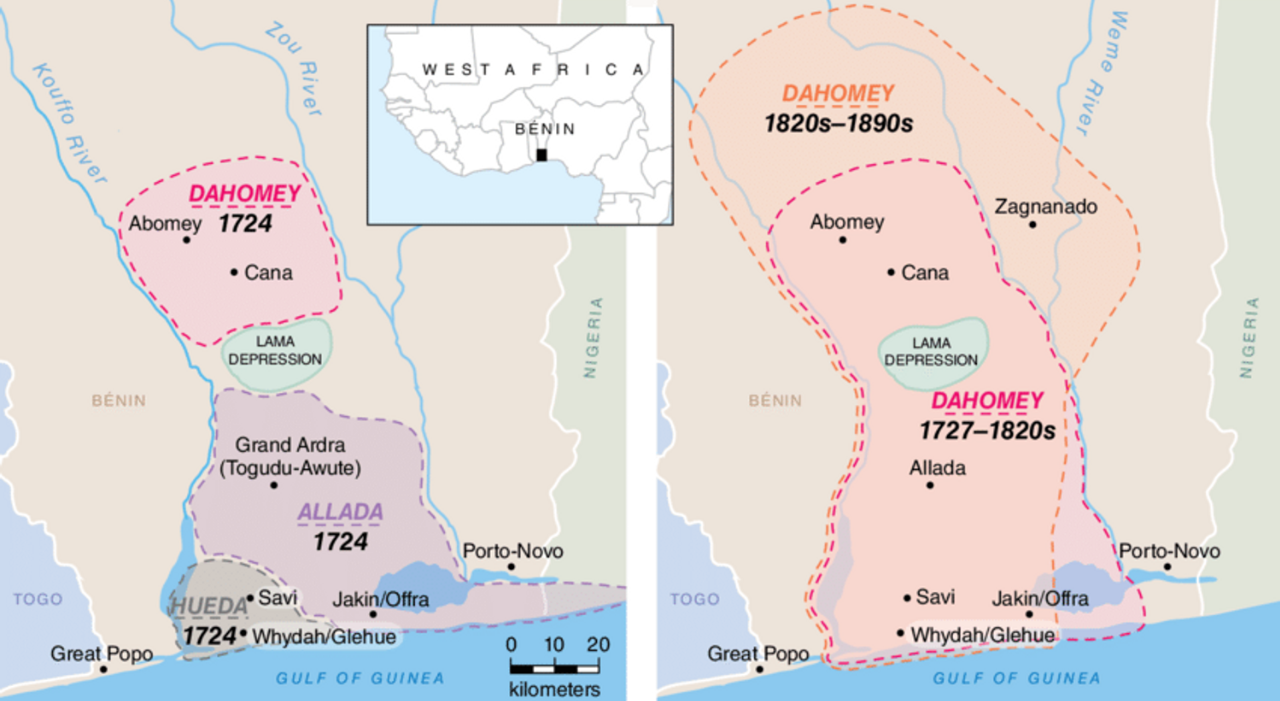
The Dahomey entered Cuba via two distinct routes, the first arriving via slavery into the Western cities on the island. These people were often known by a different name and referred to themselves as Arará. While their religious practices looked very similar to that of the Yoruba, they used different terms, and more importantly to this resource, used different accompanying music. Instead of Orishas, the Arará have Fodduces, each being associated with different characteristics. For example, Asoano is the deity of sickness and healing, which is similar to Babalau-Aye in Santeria. Each of these Fodduces is also associated with a wide variety of different music unique to the particular deity in question, resulting in many different styles being associated with the Arará.
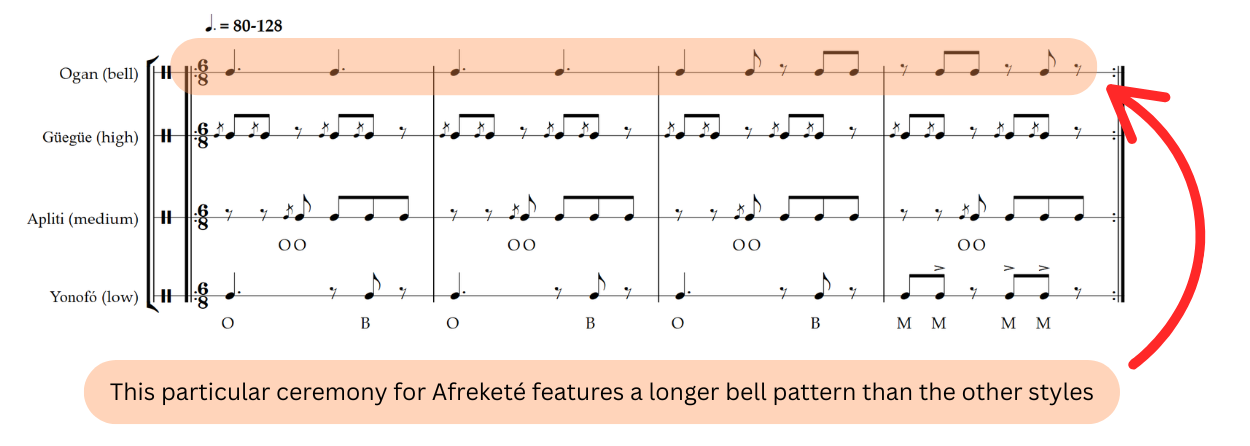
The music of the Arará also shares many of the underlying qualities of the other Afro-Cuban cultures. Within an ensemble there are three to five drums, typically with the same three roles we have seen. The Yonofó is the lowest drum and improvises with a mixture of stick and hand strokes, with the Güegüe and Apliti playing interlocking support rhythms with sticks. Covering the bell pattern is a metallic bell called the Ogán that orientates the ensemble. For this particular Arará example, the bell actually extends to a much longer cycle than the typical two bar format. Instead repeating every four or eight bars which creates a unique framework for the drums to slot into.
Vodú
Outside of the Arará which came to western Cuba, the Dahomey also came through another channel to the island. As was the case with many African nations, the Dahomey weren’t just slaved by the Spanish but also other European countries such as the French. Specifically, the French imported them in large quantities to their Saint Domingue colony (modern day Haiti). After decades of horrendous treatment and an ever growing majority of slaves to European colonizers on the island (some sources suggest a 16-1 ratio), by the late 18th century the slaves decided to revolt. Going down in history as the only successful slave rebellion to take place in the Americas, the Haitian Revolution redirected the course of slavery in the New World for the coming decades. This singular event had a major impact on the Americas and displaced tens of thousands of people across the Caribbean, South America, and the United States. Due to the proximity of Saint Domingue to Cuba, the majority of the Haitian refugees fled to the island bringing with them their culture and religion. They predominantly found refuge in the eastern part of Cuba, which led to a significant contrast in musical development between the Arará of the west and the Dahomey of the east.
While in Saint Domingue, the Dahomey went through a process of blending their African traditions with the French customs in a similar manner to what occurred in Cuba with the Spanish. More commonly referred to as creolization, this fusion yielded many unique blends of cultures throughout the New World. In Saint Domingue, the result was a hybrid of the Dahomey religion with other African traditions and became what is considered to be the first Afro-Caribbean religion: Vodou. When the people fled Haiti they brought Vodou with them and as it entered Cuba it became known as Vodú, but you may be familiar with the name of the New Orleans interpretation, Voodoo.
Vodú is an overarching term used to describe a family of religions that share similar principles. There are multiple branches found in Haiti, but in Cuba there are two primary versions called Radá and Petró. As with all religious music in Afro-Cuban culture, Vodú has many different ceremonies, each associated with different deities and holy days, and all accompanied by unique music. The example below is a generalized style associated with Radá and features three drums alongside a bell pattern. The Mama Tambaú (the lowest drum) improvises, while the Leguedé (the highest drum) and the Onsí (middle drum) provide interlocking support parts. The bell pattern is played on the guataca, and features a pattern you may be familiar with, the 3-2 son clave. Although the example is written in duple time, a majority of the parts are felt in 6/8 with only the Mama Tambaú and guataca emphasizing the duple feel. However, this style increases in tempo as it is performed and once it reaches 170bpm the Leguedé starts playing a new pattern which is built off of quavers.
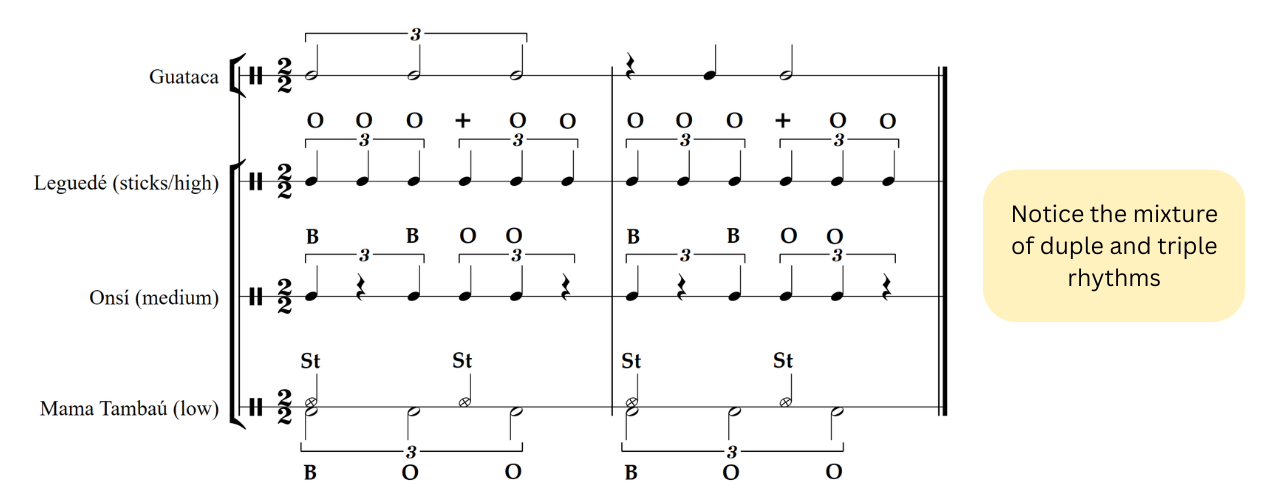
Tumba Francesa
While Vodú was being introduced to eastern Cuba, the influence of creolized Haitians was also being felt in other ways. In fact, so many Haitian refugees fled to Cuba that a portion of the country had a strong French influence for decades, apparent in the clothing, dancing, and music found in the area. After arriving in Cuba, the refugees, known as Francesas, set up their own cabildos similar to those found in other Afro-Cuban cultures. Like what we saw with the Congolese, in these society houses they would dance and play music with the musical activities being called Tumbas. Over time the words Tumba and Francesa came together and were used to describe one of the styles played in the cabildos.
Tumba francesa is an interesting style that leans heavily into the French influence, to the point where you could call the style Afro-French. The result is a performance which features ornate clothing worn by the dancers while being accompanied by African drumming. Typically, the style is broken into three unique sections, following a similar pattern to how French dances were conducted in the 18th century which included the minuet and waltz. It begins with the Masón, meaning “house of the master,” which is a duple time couples dance that features four drums and a bell pattern. The lowest drum, called the premier, improvises, while the two bulás play supporting rhythms. Alongside the three drums is the bomba, a smaller drum played horizontally with both sticks and hands. Finally, the ensemble is held together by the catá which plays a repetitive bell pattern.
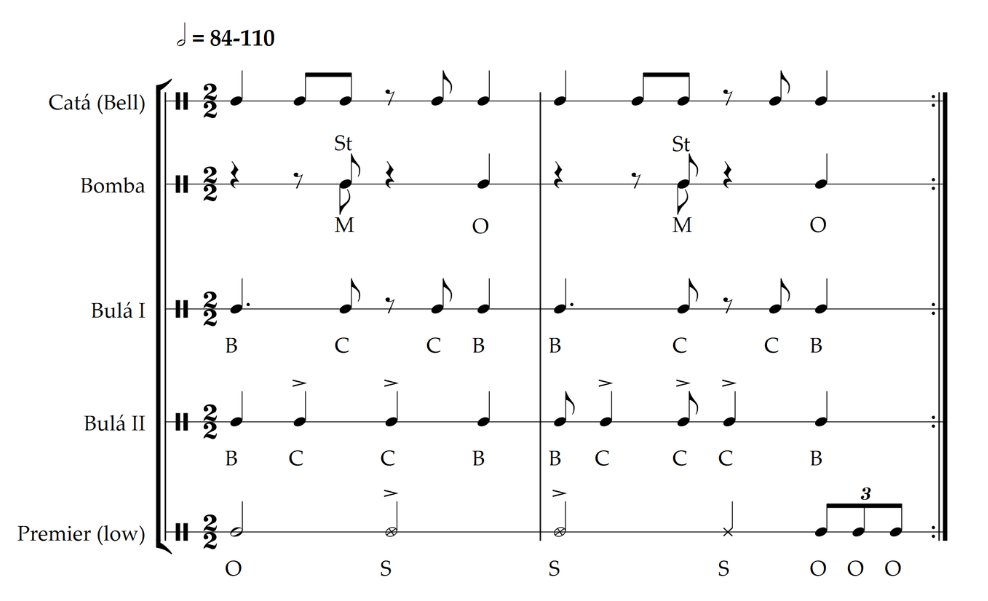
The second section is called the Yubá, which is still a couples dance but the musical accompaniment changes to a faster African 6/8 feel. Each part changes, with the premier still improvising around a set rhythm and the bomba dropping out entirely. Directly following the Yubá is the Frenté, with both sections being linked through a metric modulation. For this final section the dancers leave, with one solo male dancer remaining. The premier player rotates their drum and straddles it, improvising passages based off of the dancer's moves. They may choose to improvise in tempo or play freely from the ensemble, a characteristic not found in any other Afro-Cuban music. Additionally, the whole musical accompaniment is felt in 3/4, another unique factor that is not found elsewhere in Cuban folkloric music.

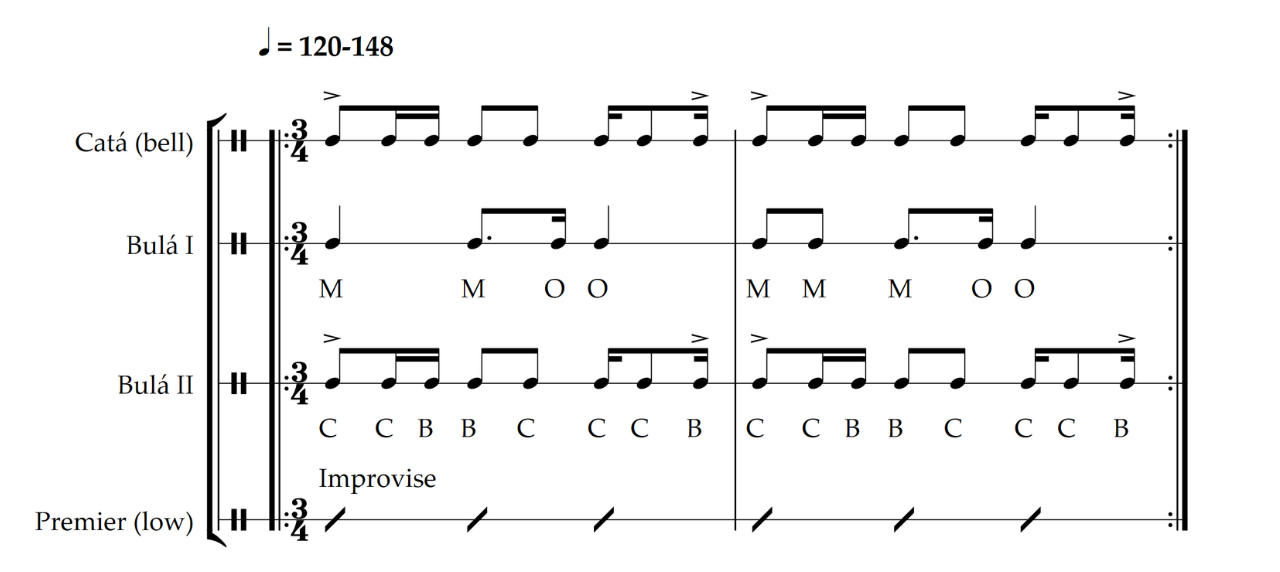
The Dahomey have many unique styles of music which they brought to Cuba, whether that be through the slave trade or as refugees, and their presence on the island has had an impact still felt to this day. Which now leaves us with one final nation to cover: the Carabali.
Carabali/Abakuá
Originally from the Calabar nation, the Carabali was not a kingdom like the Congo or Yoruba as such, but more of a city state on the delta of the Niger River located in south eastern Nigeria and western Cameroon. Some cultures in the region are believed to have existed in the location for close to 5000 years and when the slave trade began, the multiple rivers and creeks in the area made it perfect for selling slaves. So much so that in the 18th century Calabar became a major player in the global slave trade and became incredibly wealthy. To avoid being captured, none of the residents lived along the riverbanks, resulting in a culture which associated the river with fearful deities and making it an undesirable location for locals. Unlike other African cultures we have looked at, the Calabar nation had no major governing system, instead they were, and still are to some degree, run by various secret societies. One such society was the Egbo, who were the secret society of the Efik people, a group within the Calabar nation. The Egbo controlled trade regulations, specifically to do with the slave industry and how the major slave merchants wanted the area to run. However, the terms of the Egbo prohibited any slave to be a member, creating a system which severely advantaged slavers. Interestingly, the Egbo still exist today and are believed to still conduct slave trading throughout the region.
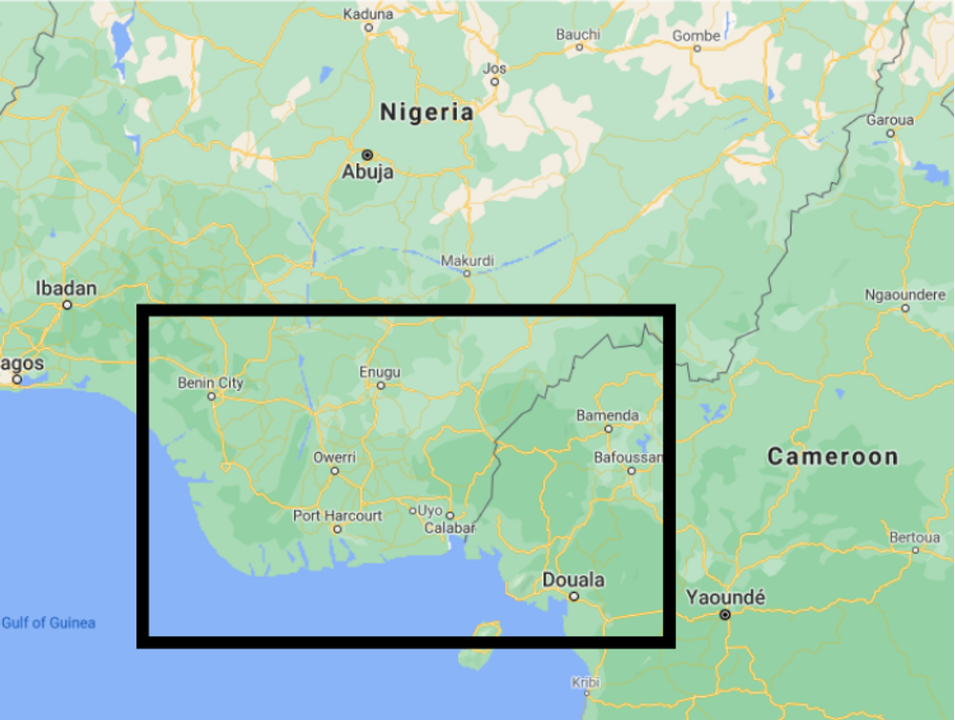
Somewhere along the way, when the slaves from Calabar came to Cuba the “i” and “r” were flipped, creating the name we use today: the Carabali. Like the previous nations we have covered, the Carabali represented a broad mix of cultures from the Calabar area. They entered Cuba after the Congolese and prior to the Yoruba, during which time they drastically impacted the lower class of Afro-Cuban culture. With them came their secret communities, and in 1836 the Carabali formed their first society which restricted access to people who had originally lived in Africa. Shortly after, there was enough interest from Afro-Cubans born in Cuba to create a second chapter that was more inclusive, which is now remembered as the first society house of the Abakuá. At the time there were other Carabali cabildos, but unfortunately over time they have all disappeared, leaving the Abakuá to represent the legacy of the Carabali culture.
The Abakuá was, and still is, an all-male brotherhood with similarities to other organisations such as the Freemasons and the Mafia. However, they were unique in the fact that they blended religion, secrecy, and other characteristics together to create a way of life unlike any other secret society. Within the organization there existed a diverse culture that included music, dance, song, drums, stories, as well as their own unique language. Within ten years of the first Abakuá cabildo being formed, another forty appeared throughout Cuba with the goal of defending their own against slavery. Known as ñáñígos, the members of the organisation were feared across the island due to their fierce vendettas and aggressive reputation. Originally the society was extremely secretive, but in recent years members have come forward to disprove rumours and share examples of the Abakuás secular culture. However, the sacred side of the society still remains a secret for those uninitiated. In the overall scope of the Calabar nation, the music of the Abakuá represented only a small fragment of the musical styles on offer. In fact, the Calabar nation had an extensive range of styles that were performed in sequences that took at least 25 years to be completed.
Within the Abakuá there are two different drum ensembles, one for secular events and another for sacred. The secular ensemble consists of four drums and multiple instruments that play interlocking bell patterns. The Bonko Enchemiyá is the lowest and improvises, while the three other drums from highest to lowest respectably, the Biankomé, Kuchi Yeremá, and Obíapá, play interlocking rhythms. On the side of the Bonko Enchemiyá another musician plays a secondary bell pattern with sticks called Itones, with the rhythm being doubled by a shaker called the Erikundí. Finally there are two primary bell patterns present played by the Ekón bell. One of which is the classic 6/8 bell pattern, with the other being the 3-2 Rumba clave. The result is a unique sounding style which has helped shape the rumba tradition in Cuba.
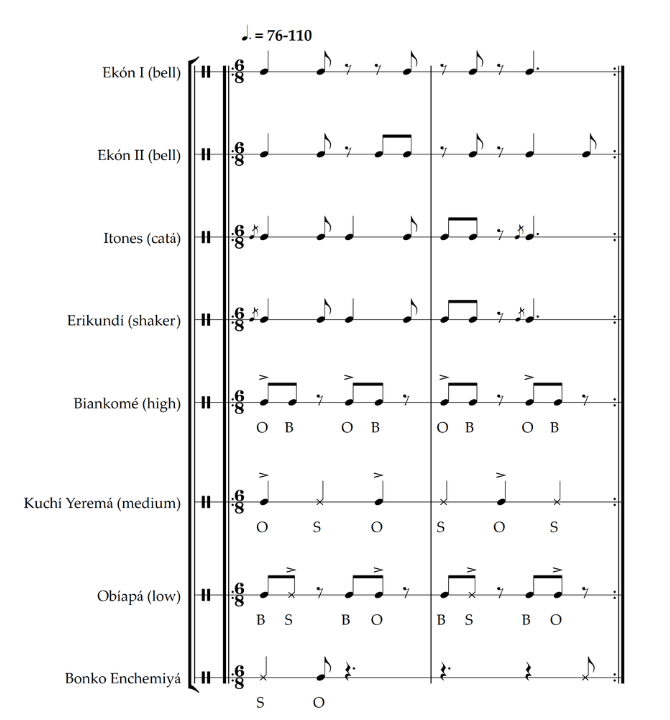
The sacred ensemble has similar drums which are all named differently, with additional drums being included for religious reasons. One specific such drum which stands out is the Ekue, a friction drum like the Brazilian cuica but in a lower tenor range. It’s traditionally moistened with the blood of a rooster, with the musician being blindfolded while playing. Although it is a sacred drum, ñáñígos use a technique to pitch bend their bongos and congas to emulate the sound in secular settings.
The Carabali are yet another diverse set of Africans that entered Cuba, changing the cultural landscape forever. The impact of the Abakuá can be seen in various Cuban styles such as son and rumba, with other cultural aspects being deeply felt throughout the country. This section is only a brief window into their vast culture, one which includes much more music and a high degree of secrecy. But for the sake of this resource we have covered enough to start looking at what happened next.
Importantly to the story of Afro-Cuban culture, when the African slaves started arriving in Cuba they often found themselves surrounded by others who had come from completely different African cultures. Over time they found common ground in music, and eventually blended their musical customs together to create the foundation for Afro-Cuban music as it exists today. As we will see multiple times over the coming style resources, this culture impacted every part of Cuban music, and in my opinion, created some of the most interesting music to ever exist.
The New World
Now that we’ve introduced the three major influences on Cuban culture, the next step is to look at what happened when they started to come together. Crucial to understanding Cuban music is being familiar with the geography of the country. As alluded to a few times in the prior sections, Cuba can be thought of as two distinct provinces, the oriente (the east) and the occident (the west), both of which being associated with drastically different styles of music.
In the west you’ll find the capital, Havana, which was originally built around a natural harbor with a deep bay, making it the perfect location for a major port. As a result of the city’s relaxed governing style, many people from all walks of life found their way to the port, from vagabonds to pirates, plantation owners to sex workers, sailors and more, creating a melting pot of cultures. In order to categorize and make sense of the various music created, one must look at the population from two specific angles: ethnicity and class. That’s because while slaves were often considered at the bottom of society, within the Spanish system of slavery prior to the Haitian revolution they had the chance to eventually purchase their freedom. Over time, this created a class of free black people who integrated their Afro-Cuban culture with other middle and upper class European influences. Additionally, not all Europeans who came to Cuba were wealthy and many travelled to the Americas to flee the Spanish Inquisition or search for a new life. So it is critical to look at both class and ethnicity, as the color of one’s skin didn’t necessarily associate them with one particular type of music.
But what about the east? Well initially the main hub in Cuba was around the western cities of Havana and Matanzas mainly due to a large mountain range dividing the two portions of the country. With that said, some people chose to move east, often to flee from slavery, oppression, the law, or any number of other reasons. This is actually where the Taino influence primarily came into play, as any descendants left from the initial purge fled into the mountainous regions and eventually blended their culture with African slaves who had escaped captivity. Due to the disconnection between east and west, both parts of the country moved in culturally different directions for centuries. Interestingly, it wasn’t until the start of the 20th century when the music of both cultures would integrate in a major way, but that’s a conversation for another resource.
As you can imagine, the three major influences integrated in various capacities with each other depending on the location, class, and ethnicity at play. In some cases there was little integration at all, whereas elsewhere there was a more even distribution of characteristics. As we continue to explore Cuban styles, this point will keep coming up and help justify why certain styles sound and feel the way they do. For example, the European upper class in Cuba enjoyed many of the modern European styles of the day, playing music of the great composers such as Mozart and Haydn. However, it was common for musicians who performed this music to be Afro-Cuban, and over time they integrated elements of their own culture, creolizing European classical music and creating a new Cuban style which would eventually lead to the creation of mambo and cha-cha-cha. As this resource has now become quite the behemoth, here’s a shortlist of the characteristics each of the three influences contributed to Cuban music.
European (Spanish)
Instruments: Violin, Flute, Kettle Drum, Trumpet, Guitar
European Harmony & Styles
The Decima Vocal System
African (Congo, Yoruba, Dahomey, Carabali)
Clave and bell patterns
Polyrhythms
Key rhythmic cells (Habanera, Tresillo, Cinquillo)
Instruments: Congas, Bongos, Chekeré, Guiro, Maracas, Various Bells
A variety of dances
Rhythmic ostinatos/tumbaos
Taino (Native)
Instruments: Shakers, Scrapers
Dance Culture
Potentially more influences that have been lost with time
Interestingly, the overall effect of the Cuban melting pot also impacted Europe within the first decades of colonization. Unintentionally, by colonizing the island and introducing African slaves, a new exchange of musical characteristics was established. The chain started with music entering Cuba from either Europe or Africa, where it would then take on characteristics from Cuban culture, and then be exported to Europe via the consistent trade taking place. One of the first examples of this phenomenon was zarabanda and later chacona, two styles which had a drastic impact on European music for the coming centuries.
As we briefly mentioned when discussing the Congolese, zarabanda had its roots in the Bantu/Congolese culture and began in southwest Africa where it was originally a musical ceremony attached to the Nsala-banda deity. From there it travelled to Cuba via the slave trade and started to blend with various cultures. Soon the name was creolized to zarabanda and became popular with the locals due to the accompanying high energy dance. Before long it travelled back to Spain where it eventually became the biggest secular dance in the country. Like all African fertility dances, the movements were seen as highly sexualised by the Spanish crown which resulted in the potential exile for those caught dancing along. Even with such harsh consequences, the dance still flourished and travelled across Europe where it finally became known as the sarabande in Germany and attracted the attention of composers such as Johann Sebastian Bach in the 18th century. Other than being a popular dance, it impacted European musical culture by introducing a time signature into the music. To begin with it was felt in alternating bars of 6/8 and 3/4, a trait that is inherently African, but eventually was just associated with 3/4 as it became more noble and lost many of its original characteristics. Unfortunately, it is quite difficult to find any examples of the early zarabanda style before it became the sarabande. However, there is a key rhythmic cell that has been documented that helps us have an idea of the rhythm and harmonic flow of the early zarabanda. In an anonymous composition dating back to the 17th century you can hear the rhythm accompanying the piece.

Shortly after the creolisation of the zarabanda, another African style called the chacona started to become popular. Not much is known about the lyrics or rhythms associated with the style, but one trait that has remained is an ostinato in the bass part. Over time the chacona became the European chaconne, and like the zarabanda, lost many of its original characteristics. Again it is impossible to find any examples of the early chacona, but a fantastic example of a later chaconne is Monteverdi's Zefiro torna which was published in 1632 and features a bass ostinato.
Zefiro torna
Claudio Monteverdi

And just like that we’ve made it to the end of the resource. Of course there is always so much more that could be explored with any of the given topics covered, but my hope is that this reading will operate as an entry point for your own research and listening. In order to truly understand Cuban music, we must be knowledgeable of the influences at play and how they interacted with one another. While we may not have covered much in the way of arranging, the points discussed build a foundation that will be drawn upon time and time again when looking at specific Cuban styles in other resources. If you were looking to emulate the specific styles mentioned here, I would suggest looking at the breadth of literature on Western classical music and Afro-Cuban folkloric music, as they will cover those topics in considerably more detail and help you more accurately replicate the sounds of the 16th century. With that said, if you are simply trying to understand Latin music, with the information discussed here as your foundation, you are now ready to start looking at the exciting world of Cuban music!
The Takeaway
Latin music might be some of the most mesmerizing, intoxicating, and memorable music to ever come from humanity (don’t worry, I know I’m a little biased). However, when trying to actually understand the music it can be quite difficult to make sense of everything that is going on., especially if you did not grow up in that culture. After spending years pursuing a deeper understanding of this music, what has worked for me is to understand where it all started, and try to break down the many different components present as early as possible. From there you can have a better idea of how the music developed and the main reasons why it went in various directions. As I was fixated by Latin Jazz, that path led me to Cuba and the three main influences on the island, which inevitably resulted in this particular resource. Now that we’ve unpacked those influences it’s time to move on and see how the minuets and waltzes of Europe helped create one of the major Cuban styles: danzón.